 ×
×
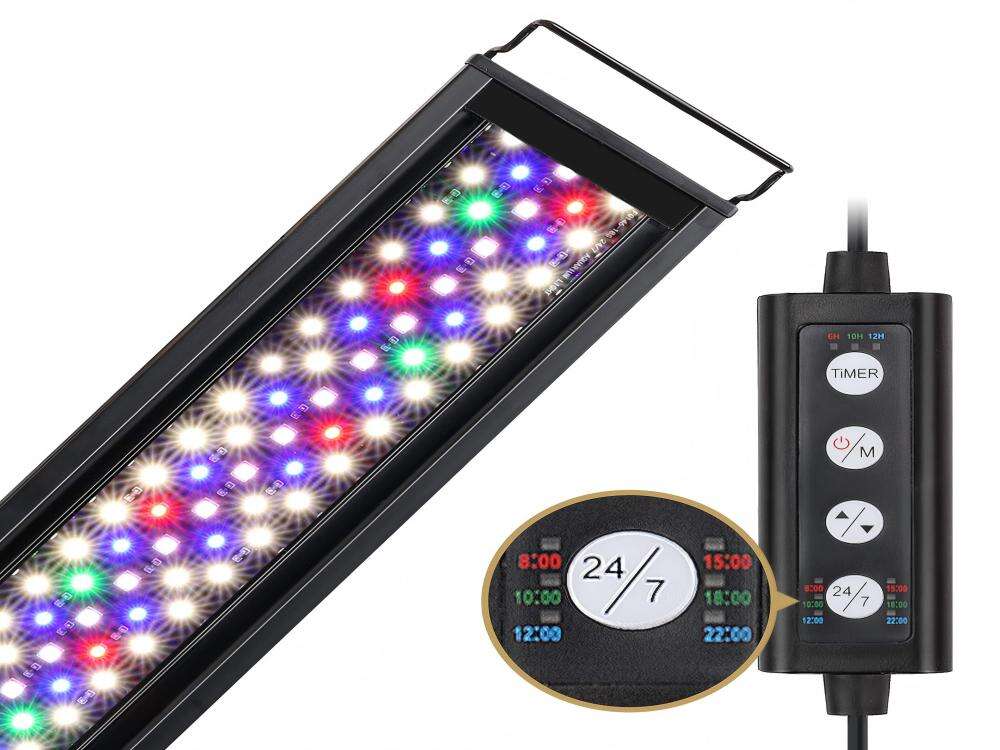
When we get the spectrum right, LED lights become much more than just illumination tools they actually serve as instruments for shaping aquatic ecosystems. Adjusting light output between 450 and 550 nanometers makes corals glow brighter and brings out those amazing colors in fish scales. Meanwhile, the red wavelengths from 600 to 700 nm really boost plant growth rates according to research published last year in Aquatic Botany Journal showing plants can grow nearly half again as dense under these conditions. Modern lighting systems now hit around 95 on the Color Rendering Index scale, which means those bright red betta fish look almost lifelike against green moss backgrounds. Getting this balance right matters a lot because wrong wavelength combinations can lead to unwanted algae problems. But when done properly, specific light recipes help keep everything in check without sacrificing the vibrant visuals aquarists love so much.
How beams are placed makes all the difference when creating depth in an aquarium setup. Narrow spotlights around 30 degrees mounted on adjustable brackets really bring out the textures in rocks and gravel, or make schools of fish stand out against the backdrop. For plants in the background, wider panels covering about 120 degrees spread light evenly so everything gets proper PAR levels. Lighting from the front draws attention to what's happening right at the glass, whereas lights positioned to the side create those nice long shadows over pieces of driftwood that look just like the hiding spots we see in nature. Studies have actually found these shadowy areas can cut down fish stress levels by nearly a third. And don't forget about those floating dimmer systems that let the tank go through day to night cycles smoothly, starting with bright 7000K daylight and fading into warm 2000K twilight tones. This kind of lighting rhythm matches how creatures behave naturally during their sleep-wake cycles, which helps keep nocturnal species calm and behaving as they should.
Adding natural stuff to aquariums brings both real feel and actual benefits for the tank ecosystem. Driftwood slowly releases tannins that create those dark water conditions some fish love, while rocks become homes for helpful bacteria films. Live plants do double duty too they clean the water by producing oxygen and keeping algae at bay. On the other side of things, man made decorations such as safe resin creations let hobbyists get really creative without worrying about all the extra work that comes with natural materials. According to research published by Petco last year, tanks decorated with specifically designed items saw a pretty impressive drop in fish stress levels around 40%. When it comes to making an eye catching setup, combining different textures works wonders. Think about placing moss covered branches next to sleek ceramic pieces something that mixes rough nature with clean lines creates a visually striking display that still feels balanced somehow.
Surface tools put energy into the water while playing with how light moves around. Duckweed floats on top and spreads out sunlight, making those pretty shadow patterns underneath. Lily pads help guide water currents so fish can swim in interesting ways, and bubble makers create all those sparkly reflections we love seeing. According to something I read in that Aquascaping Association guidebook about water movement, when there's more activity at the surface, it actually boosts dissolved oxygen levels by about 30%. Plus, it makes it easier to see small details in the tank. We end up with these different layers of visual interest: ripples dancing on top, stuff moving through the middle of the water column, and those beautiful reflections bouncing off the back glass. What was once just a still aquarium becomes something alive and dynamic instead.
Aquarium accessories tools elevate tank setup from decoration to deliberate visual storytelling. Substrate rakes, coral tweezers, and planting forceps empower precise execution of spatial relationships—turning glass enclosures into curated aquatic galleries grounded in design theory.
Apply the rule of thirds by positioning key hardscape—driftwood, lava rock—at intersecting grid lines to anchor natural focal areas. Build depth through:
CO² diffusers and filter intakes are best concealed behind hardscape—preserving sightlines while maintaining function. Contrast textures intentionally: smooth river stones against jagged volcanic rock adds tactile richness without visual clutter, ensuring every layer reinforces a cohesive, uncluttered hierarchy.
For more than 20 years, we have been deeply engaged in the field of aquarium ecology, providing efficient, safe and stable solutions for aquarium enthusiasts, professional farms, aquariums and pet retailers in 50+ countries around the world.


 EN
EN



 Hot News