 ×
×
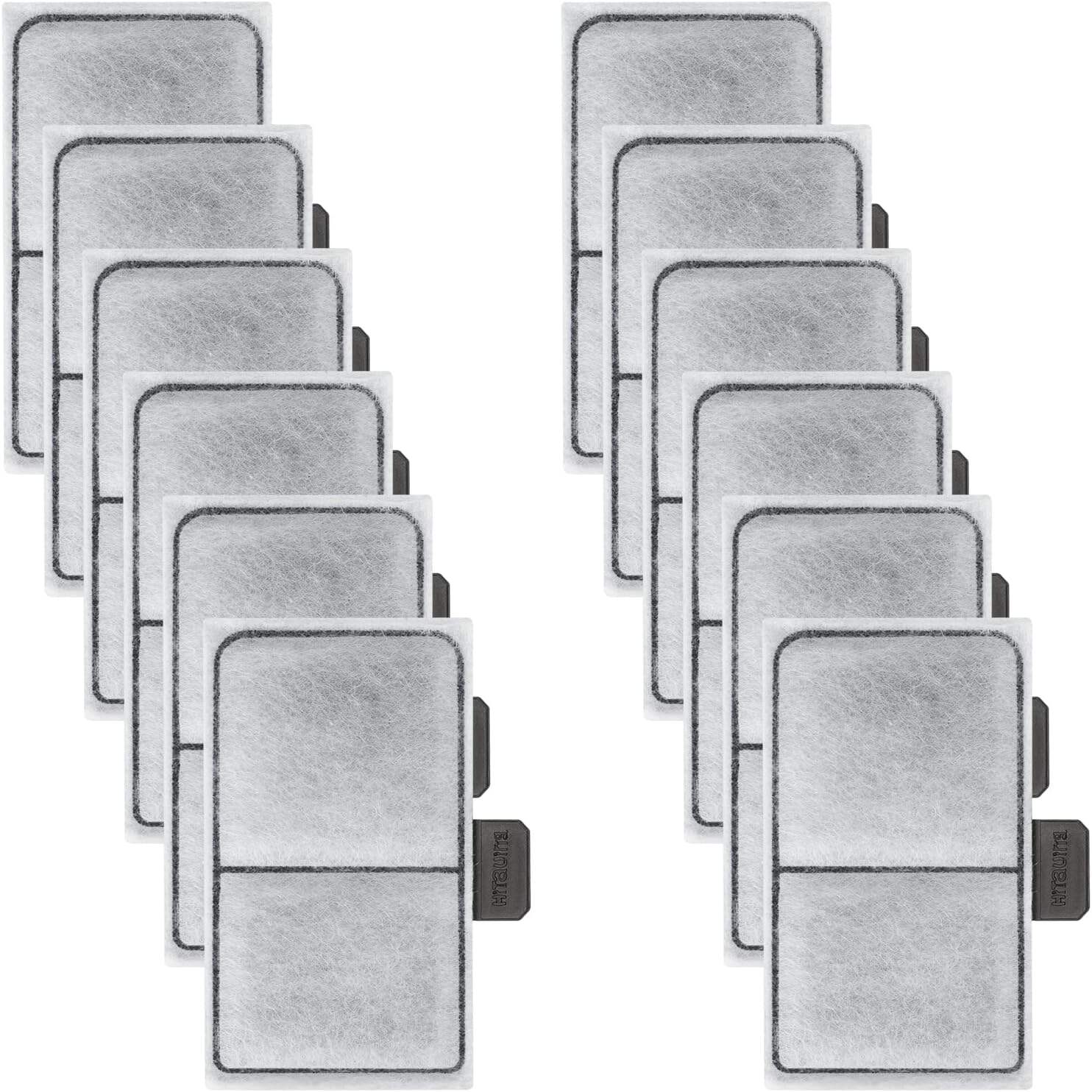
Aquarium filter cartridges are basically all-in-one cleaning systems that handle three different types of filtration at once mechanical stuff, chemical stuff, and biological processes all packed into one part that gets replaced regularly. The mechanical part is usually some kind of thick foam or polyester floss that catches big pieces of junk floating around the tank such as fish poop and leftover food bits. For the chemical side, most filters include activated carbon or special resins that grab onto dissolved stuff in the water like those brown tannins from driftwood, leftover medicine traces, and even smells that might come out of nowhere sometimes. And then there's the biological section which contains materials with lots of tiny holes and surfaces like ceramic rings or glass beads where helpful bacteria grow naturally over time. These good bacteria work overtime breaking down dangerous ammonia and nitrite compounds into something much safer for aquarium life called nitrate.
The triple action system runs through and cleanses all the water in an aquarium several times each hour, which is really important for keeping water chemistry stable. When those filter cartridges stop working properly, ammonia levels can skyrocket to dangerous amounts (over 2 parts per million) within just one day, putting tropical fish at serious risk according to studies published by aquatic scientists. Good cartridge function keeps dissolved oxygen levels above 5 milligrams per liter, stops sudden drops in pH balance, and generally makes it less likely for algae problems to develop. For smaller tanks holding less than ten gallons, things can go from bad to worse very quickly if filters fail completely. We've seen entire ecosystems crash down in about two days when maintenance gets neglected, so regular checkups and proper care aren't optional they're absolutely essential.
There are basically three main types of aquarium filter cartridges, each designed for specific tasks. Mechanical filters work by trapping solid particles using materials like fine mesh sponges or floss. These are great for everyday dirt removal and act as a first line of defense against debris buildup. Then we have chemical filters which pack activated carbon or special resins inside. They're really handy when dealing with water problems after medication treatments or when trying to clear out those brownish stains caused by driftwood. Lastly, biological filters focus on growing beneficial bacteria colonies within their porous media structures, often made from things like ceramic rings or plastic balls. This kind of filter is absolutely necessary if someone wants to maintain a healthy nitrogen cycle in their tank environment according to School of Scape research published last year.
Choosing the right cartridge depends on your filter's design and your tank's biological load:
| Filter Type | Ideal Cartridge Use Case | Tank Suitability | Maintenance Notes |
|---|---|---|---|
| Hang-On-Back | Integrated cartridges with all 3 media types | Small to medium tanks | Monthly replacement recommended |
| Canister Filters | Stackable media trays with separate biological/mechanical cartridges | Large planted tanks | Quarterly chemical media refresh |
| Internal Filters | Compact cartridges with combined mechanical/biological media | Nano aquariums | Weekly rinsing to prevent clogging |
Hang-on-back (HOB) filters offer user-friendly, slide-in cartridges well-suited for space-constrained setups. Canister filters support modular, customizable media configurations ideal for heavily stocked or planted aquariums requiring precise stage control. Internal filters use compact, multi-functional cartridges to deliver supplemental biological filtration in tight spaces without compromising flow.
When it comes to picking out the right cartridge, there are really three main things to consider: how well it fits physically, what kind of filtering material it contains, and how water flows through it. Start by checking if the cartridge will actually fit into your filter housing without any issues. But arguably even more important is matching the cartridge capacity with the biological load of your tank. For example, most folks find that a 30 gallon tank works best with a cartridge designed for around 40 gallons. This extra capacity helps handle those inevitable changes in fish population, feeding habits, and overall messiness levels that happen day to day in an aquarium setup.
The flow rate measured in gallons per hour (GPH) should match what the system needs for proper turnover. Most folks aim for around 4 to 6 full water changes each hour. So if we're talking about a 20 gallon tank, something between 80 and 120 GPH tends to work well. When the water moves too fast though, it can actually stress out delicate fish and wear away those helpful bacteria colonies on surfaces. On the flip side, not enough movement leads to dead spots in the tank where debris builds up and bad smells start coming from pockets without oxygen.
Media selection should reflect your tank's specific demands:
Always confirm cartridge compatibility with your filter model dimensions, sealing mechanisms, and flow-path orientation vary significantly between HOB, canister, and internal units. When in doubt, consult the manufacturer's specifications rather than relying solely on nominal tank-size ratings.
Q1: Why are aquarium filter cartridges essential for tank maintenance?
A1: Aquarium filter cartridges are critical as they combine mechanical, chemical, and biological filtration to keep water chemistry stable, preventing harmful ammonia build-up and ensuring overall health for aquatic life.
Q2: How often should I replace my aquarium filter cartridge?
A2: Replacement frequency varies by filter type. Monthly replacement is recommended for hang-on-back filters, quarterly for canister filter chemical media, and weekly rinsing is advised to prevent clogging for internal filters.
Q3: What factors should I consider when choosing an aquarium filter cartridge?
A3: Consider the physical fit, the type of filtering material, and the flow rate in gallons per hour that aligns with your tank's biological load and size. Ensure compatibility with your specific filter model.
For more than 20 years, we have been deeply engaged in the field of aquarium ecology, providing efficient, safe and stable solutions for aquarium enthusiasts, professional farms, aquariums and pet retailers in 50+ countries around the world.

 EN
EN



 Hot News