 ×
×
Most fish tank heaters keep water temps steady by turning on their heating elements whenever they sense cooling down from the surroundings. The math gets interesting in colder spaces though. Studies show that keeping an aquarium at 75 degrees Fahrenheit when the room is only 65 takes about 40 percent more energy compared to maintaining it in a nicely controlled 72 degree environment. As winter sets in and outside temps fall, smaller heaters tend to work nonstop almost at full blast which makes them wear out faster and waste electricity over time. Many hobbyists find themselves replacing these budget models every couple years because of this constant strain.
Standard aquarium heaters generally work best when there's no more than a 15 degree Fahrenheit difference between the water and surrounding air. When rooms drop below 60 degrees though, even good quality heaters have trouble getting those nice warm tropical temps like 72 to 78 degrees. Take a typical 100 watt heater for example. Put it in a 20 gallon tank sitting in a chilly 55 degree room and it might barely push the water up to 68 degrees. That's way too cold for most tropical fish and can actually cause health problems over time. This is why many heater manufacturers recommend either going with double the wattage or setting up multiple smaller heaters when dealing with colder environments. Some hobbyists also find success by placing their tanks away from drafty areas or using insulated covers to help retain heat better.
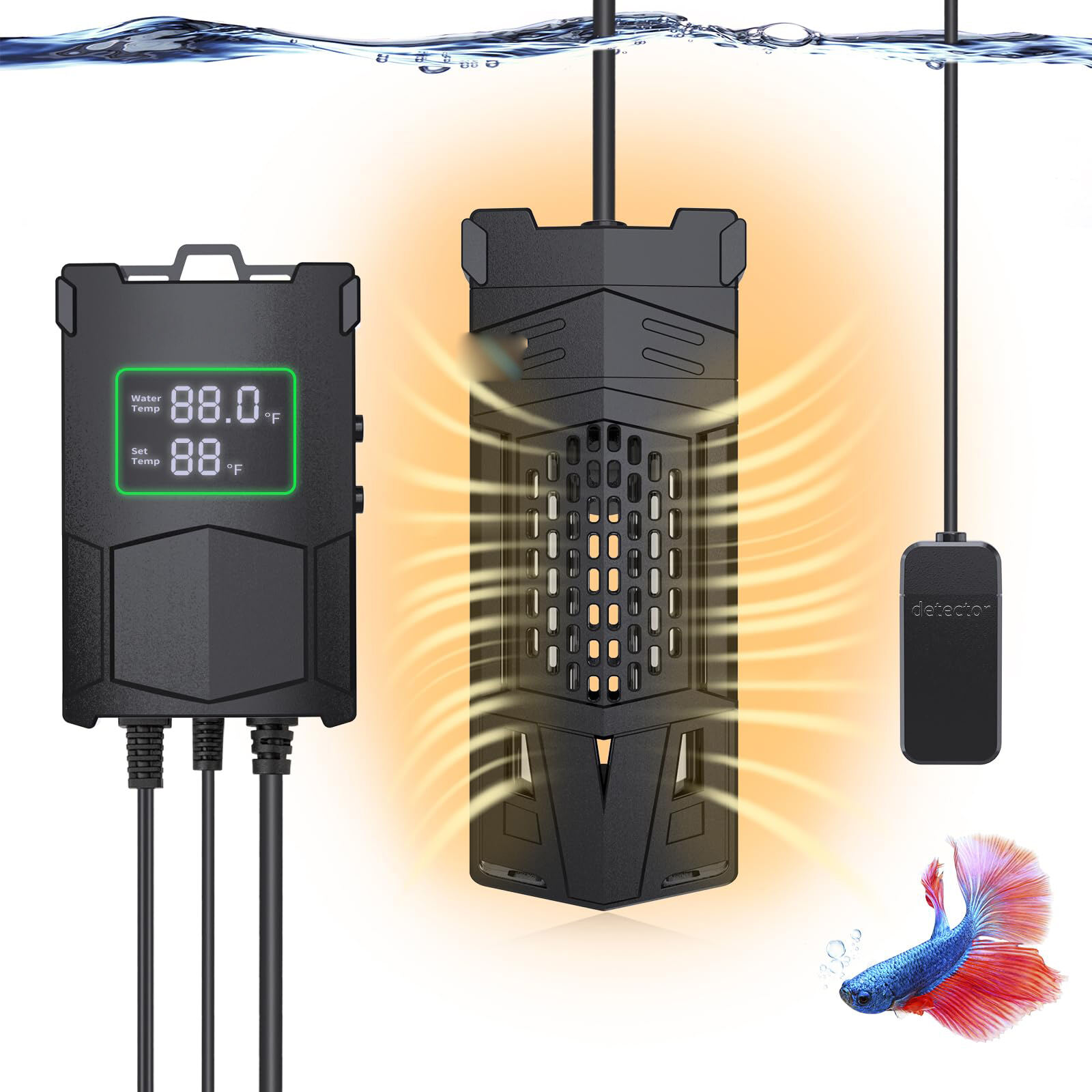
Cold climates increase thermostat lag, with some models taking 15–20 minutes to detect temperature drops. Glass-encased heaters can exhibit 2–3°F measurement errors in drafty areas, while titanium units offer improved accuracy (±1°F). Pairing heaters with external thermostats or smart controllers enhances responsiveness during sudden cooling, minimizing dangerous fluctuations.
The temperature of the surrounding air has a big impact on how quickly an aquarium loses heat. When the room gets even just one degree Fahrenheit colder than 70 degrees, a regular sized 50 gallon tank can lose anywhere from 12 to maybe even 15 percent more warmth each hour. Fish that need tropical conditions around 76 to 80 degrees start getting stressed out if their environment drops below 60 degrees Fahrenheit. This is something many aquarists in colder climates deal with all winter long. Research indicates that heating systems work about 22 percent longer throughout the day in these chilly settings compared to tanks kept at consistent temperatures. The extra runtime means components get worn down faster and breakdowns become more likely over time.
Cold air sneaking in through windows, gaps in exterior walls, or unsealed lids really speeds up how fast heat escapes from tanks. Take a standard 40 gallon water tank placed next to a leaky window versus putting it somewhere more protected inside the building. The one by the window loses heat about 3.5 times quicker, which means that even a decent sized 300 watt heater has to run almost constantly at around 92% capacity just to keep things warm enough. That's way over what most experts consider safe operating limits (usually around 70%). When it comes to keeping energy costs down, good insulation makes all the difference. Adding proper insulation materials around storage tanks, sealing those drafts properly, and positioning equipment away from cold spots can cut down on wasted energy while still maintaining required temperatures.
| Setup | Heat Retention Improvement | Heater Runtime Reduction |
|---|---|---|
| Foam-background tanks | 18% | 31% |
| Glass canopy addition | 27% | 44% |
The wild temperature changes during winter months lead to what's called thermal cycling, which can really take a toll on heating systems. According to research published last year, heaters in colder regions actually go through about four and a half times as many start-stop cycles from November right through March compared to systems in more consistent climates. All this back and forth puts stress on the equipment, making thermostats less accurate over time. We're talking around half a degree Fahrenheit drift each season, and it cuts down how long these heaters last too. Instead of lasting five years like they should, most only make it about three years when temperatures regularly drop below freezing. The good news is there are better options now. Smart control systems that adjust power levels more smoothly cut down on these problematic cycling events by roughly two thirds compared to old fashioned bimetal thermostats that simply turn things on or off abruptly.
The standard guideline is around 5 watts for every gallon, though this changes when temperatures drop. Take a 30 gallon aquarium as an example it typically requires about 150 watts when conditions are just right. But if the room stays around 55 degrees Fahrenheit most days, then somewhere between 200 and maybe even 250 watts would be better. What happens in areas that aren't properly insulated? Heat escapes much faster there, sometimes losing 25% to nearly half of what's generated. That means bigger heaters are needed. When figuring out how many watts to install, look at several factors including how good the insulation really is, whether the tank sits near outside walls where drafts can sneak in, and what kind of winter temperatures we usually see in the area.
Use this formula to estimate daily energy needs:
Required Watts = (Target Water Temp – Ambient Air Temp) × Gallons × 4
For a 50-gallon tank maintaining 78°F in a 60°F room:
(78 – 60) × 50 × 4 = 3,600 watt-hours per day
This explains why 10–15 watts per gallon becomes necessary when the ΔT exceeds 15°F (8°C).
| Tank Size (Gallons) | Standard Climate Wattage | Cold Climate Wattage |
|---|---|---|
| 10 | 50W | 75W |
| 30 | 150W | 200W |
| 55 | 250W | 300–400W |
As shown in a 2024 thermal performance analysis, these elevated wattages counteract conductive and evaporative heat loss. For tanks over 40 gallons, distribute total wattage across two heaters to ensure consistent warmth during extreme cold.
Insulated lids or acrylic hoods prevent up to 30% of heat loss. Adding foam panels to the back and sides of the tank and avoiding placement near windows or exterior walls further stabilizes temperature in cold rooms.
Position heaters near filter outflows to leverage water movement for even heat distribution. This setup prevents cold zones and reduces heater runtime by 15–20% in poorly insulated environments, as confirmed by 2023 aquarium efficiency studies.
In tanks over 40 gallons, use two heaters—each sized at 50–60% of total required wattage—and place them at opposite ends. This ensures balanced heating and provides backup if one unit fails.
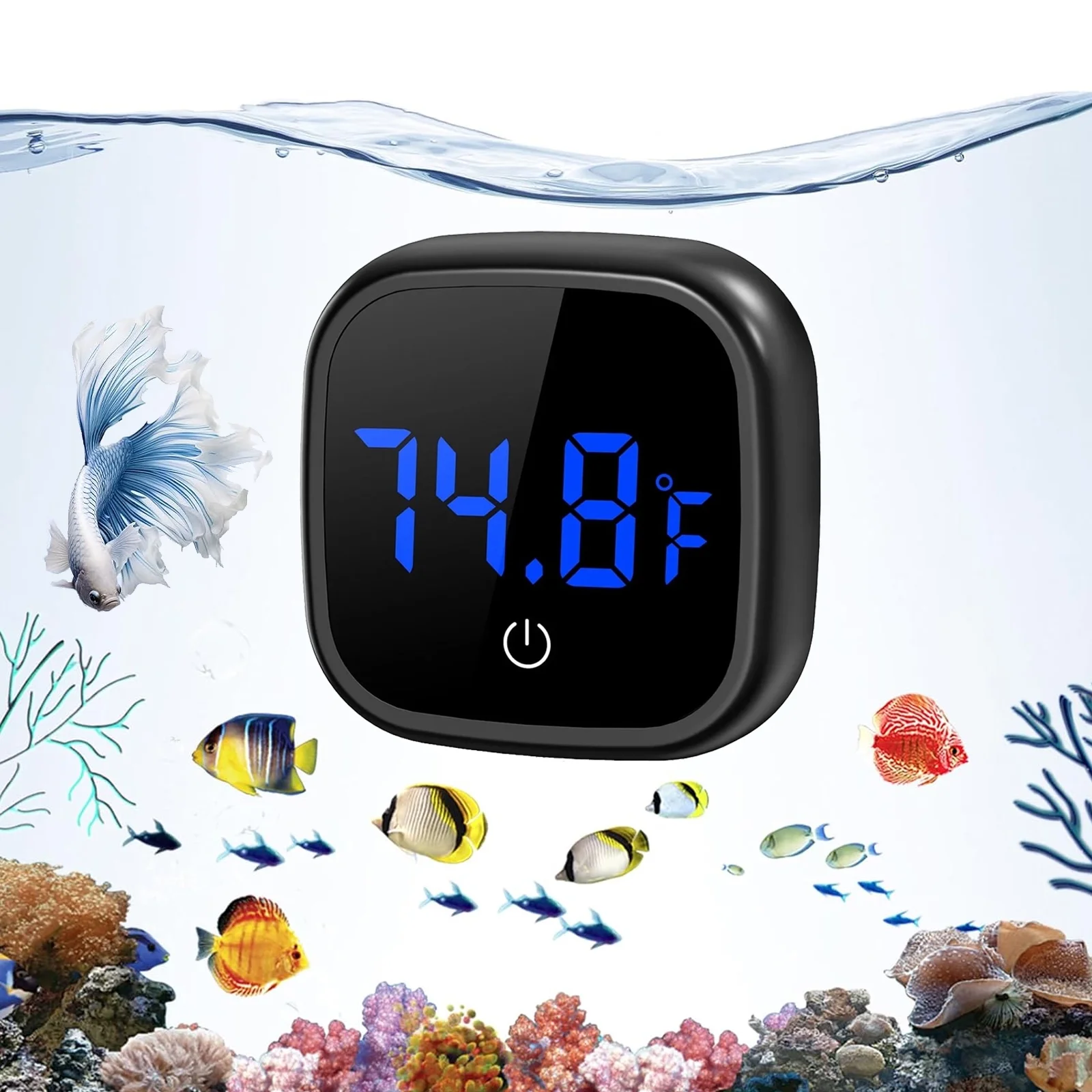
Place digital probe thermometers at both ends of the tank for accurate readings. Wi-Fi-enabled controllers, validated in 2024 aquaculture trials, send alerts for deviations beyond ±1°F. Combine these tools with weekly inspections to catch mineral buildup or thermostat drift early.
Tropical fish evolved in consistently warm waters. Even minor drops below 72°F disrupt osmoregulation, impairing electrolyte balance. Stable temperatures support gill function, enzyme activity, and digestion. Research confirms fish in heated tanks have significantly lower cortisol levels—indicating reduced stress—compared to unheated systems.
Cold exposure slows metabolism, reducing food digestion and immune response. At 68°F, zebrafish show a 40% decline in digestive enzyme efficiency compared to those at 75°F. This metabolic slowdown also suppresses lymphocyte production, increasing susceptibility to bacterial infections like columnaris and parasitic outbreaks.
| Condition | Trigger Temperature | Primary Symptoms |
|---|---|---|
| Ichthyophthirius (Ich) | Below 72°F | White spots, rapid gilling |
| Fin Rot | 65–70°F | Ragged fins, redness |
| Swim Bladder Disorder | Fluctuating temps | Buoyancy issues |
A 3-year clinical review found aquariums without heaters in cold climates had 5.8 times more temperature-related illnesses than heated ones, underscoring the protective role of reliable heating systems.
Yes, using multiple heaters in large tanks improves redundancy and ensures even heat distribution, reducing the risk of cold spots.
The recommended wattage varies based on the tank size and environmental conditions. See the "Recommended Wattage Guidelines for Cold Climate Aquariums" table for specific recommendations.
Tropical fish need stable temperatures to maintain proper osmoregulation, enzyme function, and digestion, which reduces stress and the risk of diseases.
To insulate your tank, use acrylic hoods, foam panels, and avoid placement near cold areas such as windows or exterior walls.
For more than 20 years, we have been deeply engaged in the field of aquarium ecology, providing efficient, safe and stable solutions for aquarium enthusiasts, professional farms, aquariums and pet retailers in 50+ countries around the world.


 EN
EN



 Hot News