EN
EN



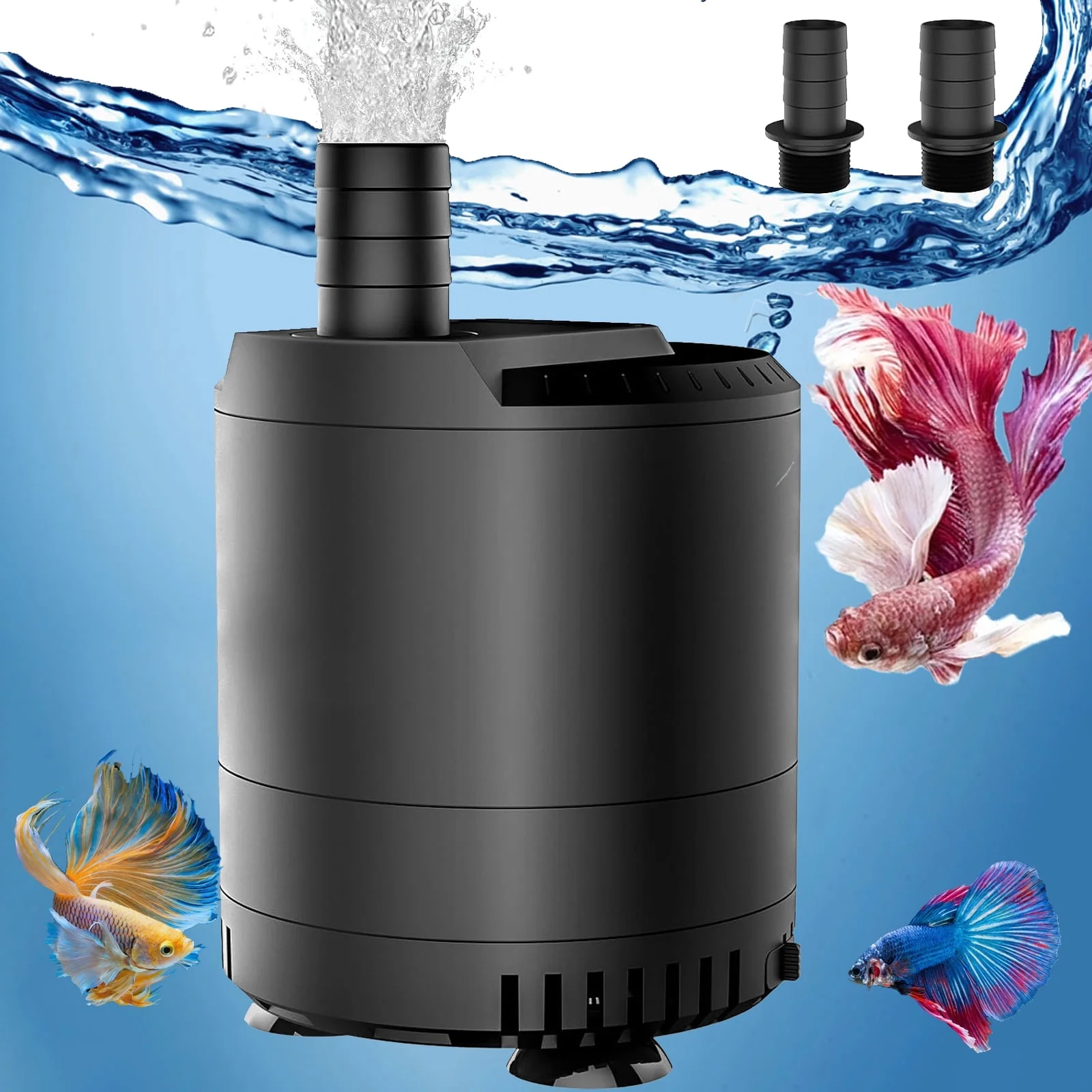
Water Pump Fundamentals: Circulation, Flow Rate, and Tank-Specific Needs
How Water Pumps Enable Full-Tank Circulation and Prevent Dead Zones
Water pumps in aquariums create currents that get rid of those stagnant areas where stuff tends to collect and bad bacteria grow. The constant movement helps spread heat, oxygen, and nutrients throughout the tank while stopping ammonia from building up as old food breaks down. Putting pumps in the right spots creates better circulation across the whole tank. A lot of newer pump models come with adjustable nozzles so hobbyists can aim water flow at tricky corners or along the bottom where water doesn't reach well. According to some research published last year by marine scientists, getting the water flow just right cuts down on diseases by about half in reef tanks. This matters because proper flow helps fish breathe better, allows corals to open up fully, and makes the whole ecosystem stronger against problems.
Understanding GPH Ratings and Matching Flow to Tank Volume and Biotope Type
GPH ratings tell us what a pump can do in perfect lab conditions, but things get complicated when we put it into actual use. Real world results drop because of factors like head pressure from elevation changes, resistance in the plumbing system, and filters that start to clog over time. These issues typically cut down on actual water flow by around 15 to 30 percent. Most folks go with the rule of thumb suggesting pumps should handle 4 to 6 times the tank capacity each hour for regular community tanks. However, different types of aquatic environments have their own specific requirements that require some thoughtful consideration beyond just following numbers on a spec sheet.
| Environment | Flow Recommendation | Key Consideration |
|---|---|---|
| Reef Tanks (SPS Corals) | 20–40x volume | Mimics ocean surge; prevents sediment smothering |
| Planted Freshwater | 3–5x volume | Avoids uprooting stems and disturbing substrate |
| Betta/Labyrinth Fish | 2–3x volume | Minimizes stress and energy expenditure |
| African Cichlid Tanks | 8–10x volume | Supports high bioload waste processing |
Exceeding species-appropriate flow thresholds exhausts sensitive fish like discus or seahorses, while insufficient flow starves corals and invertebrates of oxygen and nutrients. For complex setups, calibrated flow sensors—not just rated GPH—verify actual in-tank circulation.
Water Pump Integration with Filtration Systems
Enabling Mechanical, Biological, and Chemical Filtration Through Consistent Flow
Getting the right size water pump is basically what keeps an aquarium filtration system running smoothly, since it powers those three main filtration steps. For mechanical filtration, the pump needs to create enough force to pull particles through sponge filters or filter floss. If there's not enough power behind the water movement, stuff just slips past the media instead of getting trapped, which makes the tank look cloudy and speeds up the breakdown of organic waste. Biological filtration works similarly but for different reasons. The good bacteria living in bio-media need constant water flow to get their food (ammonia and nitrites). When parts of the filter become stagnant, those helpful microbes die off, and that can wreck the whole nitrogen cycle balance. Then there's chemical filtration with things like activated carbon or phosphate removers. These materials work best when water moves through them at just the right speed. Too fast and contaminants don't stick around long enough to be absorbed. Too slow and water finds shortcuts through the media, leaving areas untouched. Studies from aquarium equipment manufacturers show that tanks with pumps creating between 10 to 15 complete water changes every hour tend to clean better overall. When the pump matches what the filter was designed for, it stops water from bypassing sections, keeps all the media properly wet, and maintains stable conditions in the tank. This means fewer times cleaning the filter and safer environment for fish and plants alike.
Biological Impacts: How Water Pump Flow Affects Aquatic Life
Species-Specific Flow Requirements: From Reef Corals to Labyrinth Fish and Planted Tanks
Water creatures have adapted to specific water movement patterns over time, so proper flow isn't just nice to have it's actually essential for their survival. SPS corals and those delicate seahorses need strong, swirling water (around 15 to 30 times tank volume per hour) because it brings them food particles, clears away waste products, and stops dirt from settling on their tissues. On the flip side, bettas and dwarf gouramis these air-breathing fish get really stressed out when water moves faster than about 3 to 5 times tank volume. We've seen in fish farms that too much current can weaken their immune systems and slow down fin healing. For planted aquariums, there's a sweet spot somewhere in between. A gentle flow of roughly 8 to 12 times tank volume helps plants absorb carbon dioxide and nutrients better while keeping roots intact and substrate loose enough for healthy growth. Some studies on thermal stress also indicate that wrong water movement can boost metabolism by nearly half, making fish more vulnerable to diseases. When picking a pump then, think beyond sheer power numbers. What matters most is matching the water movement to what nature intended for each species living in our tanks.
| Flow Requirement | Target Species | Key Biological Factors |
|---|---|---|
| High (15–30x) | SPS corals, seahorses | Nutrient delivery, waste removal, polyp expansion |
| Low (2–3x) | Betta, dwarf gourami | Labyrinth organ respiration, nesting behavior, energy conservation |
| Moderate (8–12x) | Stem plants, tetras | CO₂ distribution, root stabilization, gentle nutrient mixing |
FAQ Section
What is the importance of water pump flow in aquariums?
Water pump flow is crucial for maintaining a healthy aquatic ecosystem by distributing oxygen, nutrients, and heat evenly throughout the tank, preventing dead zones where bacteria can thrive.
How does the GPH rating of a water pump affect its performance?
The GPH rating indicates the pump's flow capacity under ideal conditions. Factors such as plumbing resistance and filter clogging can reduce the actual GPH achieved in practice.
What flow rate should I aim for in my aquarium?
The flow rate depends on the tank's biotope. For instance, reef tanks with SPS corals need 20-40 times the tank volume per hour, while betta fish require just 2-3 times to minimize stress.