EN
EN



How Carbon Filter Cartridges Work: Adsorption Science and Structural Design
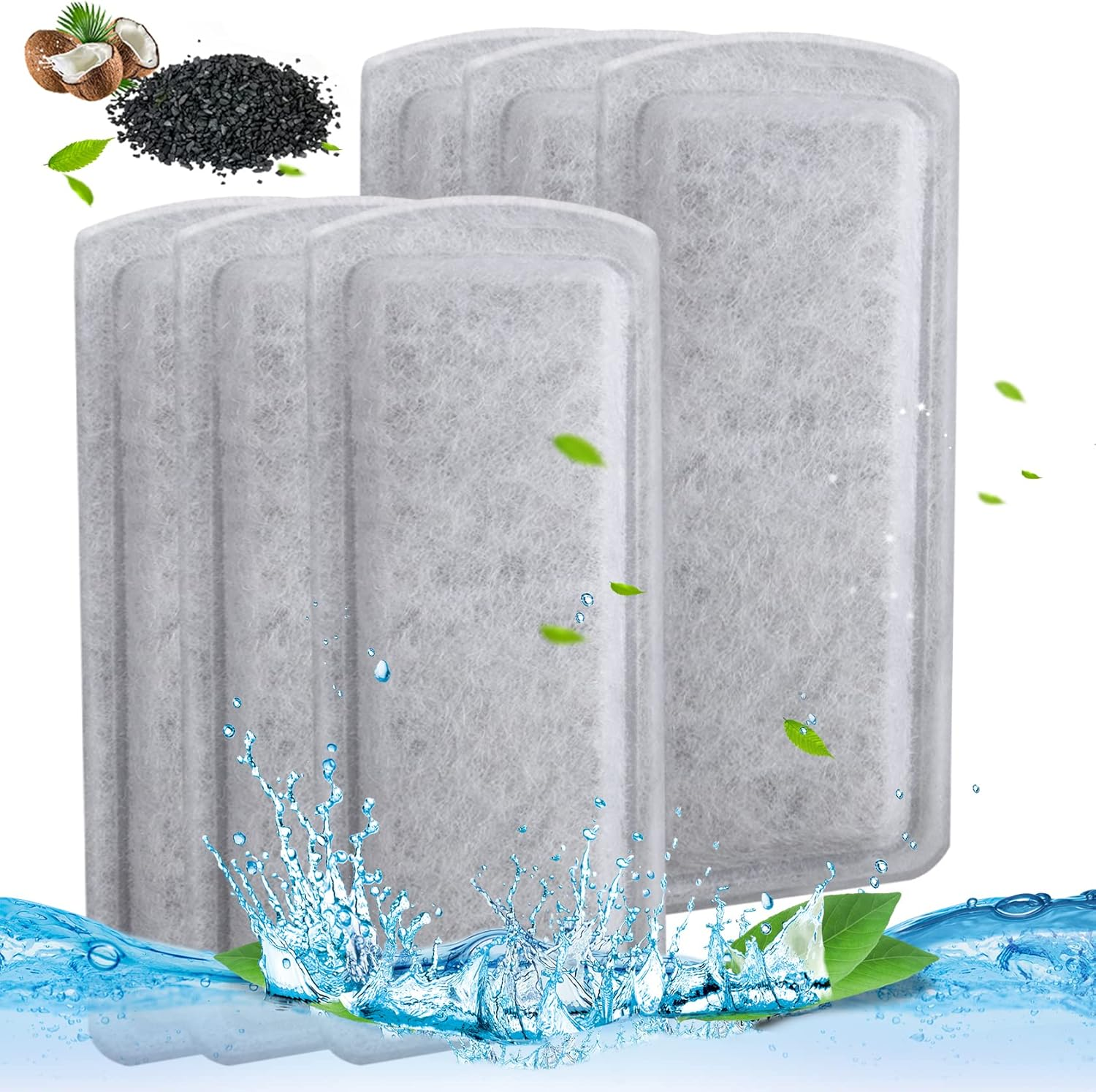
Most aquarium filters depend heavily on activated carbon for getting rid of those pesky dissolved impurities in the water. Physical filtration works differently since it just catches bigger particles based on their size. Chemical methods change things at the molecular level instead. Adsorption is another approach altogether where stuff like chlorine, tannins from driftwood, even some medications stick to the carbon's surface because of molecular forces. What makes this work so well? The magic happens during activation when carbon materials like coconut shells get treated with steam at really high temperatures between about 600 and 1200 degrees Celsius. This creates an amazing surface area for the carbon, sometimes over 500 square meters per gram! All these tiny pores form a sort of trap for organic compounds without slowing down water movement too much through the filter.
Adsorption vs. Physical Filtration vs. Chemical Reaction
When it comes to removing impurities from water, adsorption works by attracting dissolved contaminants to the surface of carbon materials through electrostatic attractions and those weaker but still effective van der Waals forces. For stuff that's not dissolved, physical filtration does the job by trapping larger particles like bits of debris or leftover food particles using filters with specific pore sizes. Then there's chemical treatment methods which actually change the nature of contaminants. These processes involve things like oxidation or reduction reactions that break down harmful substances. Take chloramine for instance, it gets converted into chloride and ammonia during these chemical transformations. Each method has its own strengths depending on what exactly needs to be removed from the water system.
- Adsorption requires direct, sustained contact between contaminant molecules and carbon surfaces
- Physical filtration depends exclusively on particle size relative to pore or mesh dimensions
- Chemical reactions permanently alter contaminant chemistry
Because no single mechanism addresses all water quality challenges, selecting the right cartridge type-and pairing it with complementary filtration stages-is essential for targeted contaminant control.
Carbon Block vs. Granular Activated Carbon (GAC): Performance Trade-Offs for Commercial Applications
Commercial aquarium systems balance removal efficiency, hydraulic performance, and maintenance practicality when choosing between carbon block and granular activated carbon (GAC):
| Feature | Carbon Block | Granular Activated Carbon (GAC) |
|---|---|---|
| Flow Rate | Lower (40–60 GPD*) | Higher (80–100 GPD) |
| Contact Time | Longer (enhances adsorption efficacy) | Shorter (requires larger media volume for equivalent removal) |
| Clogging Risk | Higher with fine sediments or biofilm | Lower-loose bed allows easier debris passage |
| Surface Area | ~15% reduced due to compression | Full pore exposure maximizes accessibility |
| Best For | Precision removal (e.g., post-medication toxin clearance) | High-flow applications requiring rapid chlorine/chloramine reduction |
When it comes to gallons per day capacity, carbon blocks really shine in situations where longer contact times and selective filtration are needed. They work great for catching those stubborn pharmaceutical residues that linger after initial treatment processes. On the flip side, granular activated carbon (GAC) tends to perform better in big systems that handle massive volumes with consistent flow rates throughout the day. Just keep in mind neither option will tackle heavy metals, nitrates, phosphates or eliminate pathogens all on their own. To get rid of these contaminants, additional treatments like ion exchange resins, special filter media combinations, or ultraviolet light systems need to be added to the mix for complete water purification.
When an Aquarium Filter Cartridge Is Necessary – and When It’s Redundant or Harmful
Essential Use Cases: Post-Medication Cycling, Tannin Management in Biotope Tanks, and Odour Control in Closed Systems
Activated carbon cartridges really shine in three main situations. When tanks have been treated with antibiotics or antifungals, the carbon grabs up leftover meds quickly before they hang around too long. This helps prevent problems with nitrifying bacteria coming back after treatment and protects sensitive fish species while the tank gets balanced again. For blackwater biotope setups where driftwood releases those brownish tannins, carbon filters make a big difference. They keep water clear so light can reach plants better, all without messing with pH levels or water hardness. Plants grow nicer this way and the tank looks more authentic. And finally, in recirculating aquaculture systems or crowded display tanks, carbon tackles those annoying smells caused by volatile organic compounds. Fishkeepers get rid of musty or rotten egg odors almost instantly without having to shut down their systems or worry about upsetting the good bacteria colonies that take time to establish.
Risks of Overuse: Nutrient Stripping, Beneficial Bacteria Disruption, and False Security in Mixed-Contaminant Scenarios
Putting too much faith in carbon cartridges comes with real ecological downsides. Activated carbon doesn't pick and choose what it grabs hold of. While it removes harmful substances, it also pulls out essential minerals like iodine, iron, and potassium that marine life needs to stay healthy. Many hobbyists notice their corals stop growing properly or change color over time when relying heavily on carbon. Worse still, every time someone replaces those cartridges, they wipe out the good bacteria living on surfaces throughout the tank. These beneficial microbes help process waste naturally, so losing them can lead to dangerous ammonia or nitrite levels building up, particularly in older setups where these bacterial colonies have established themselves. People often think because carbon works well against organic compounds it must protect against everything else too. But guess what? It won't do anything about heavy metals, dissolved salts, or pesky waterborne germs. That's why following those monthly replacement schedules found in product manuals usually doesn't match what actually happens in most home aquariums. Experienced aquarists know better than to run carbon nonstop. Instead, focusing on solid biological and mechanical filters makes much more sense long term. Save carbon for specific situations where it really matters, and leave those helpful bacteria alone to do their job.
FAQs About Carbon Filter Cartridges in Aquariums
What are the main benefits of using carbon filter cartridges in aquariums?
Carbon filter cartridges are highly effective in removing dissolved impurities, such as medications and tannins, from tank water, controlling odors, and maintaining clearer and hygienic aquarium environments.
Can carbon filter cartridges remove all types of contaminants from water?
No, while carbon cartridges are good for removing organic compounds, they do not tackle heavy metals, nitrates, phosphates, or pathogens. Additional filtration methods are needed for these.
How often should I replace the carbon filter cartridges?
Although instructions often suggest monthly replacements, it's better to monitor the specific needs of your tank, and replace the cartridges based on water quality rather than strict schedules.
Are there any negatives to using carbon filter cartridges?
Yes, overuse can lead to nutrient stripping, beneficial bacteria disruption, and a false sense of security against contaminants that require different treatments.