EN
EN



Core Stability Essentials: Filtration, Heater, and Thermometer
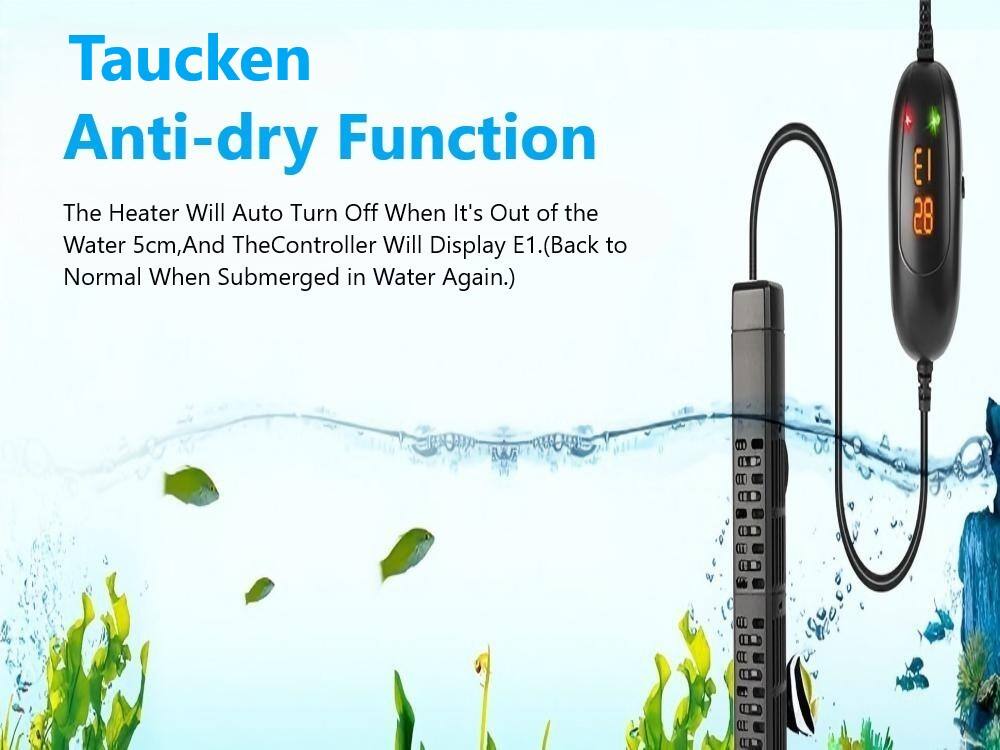
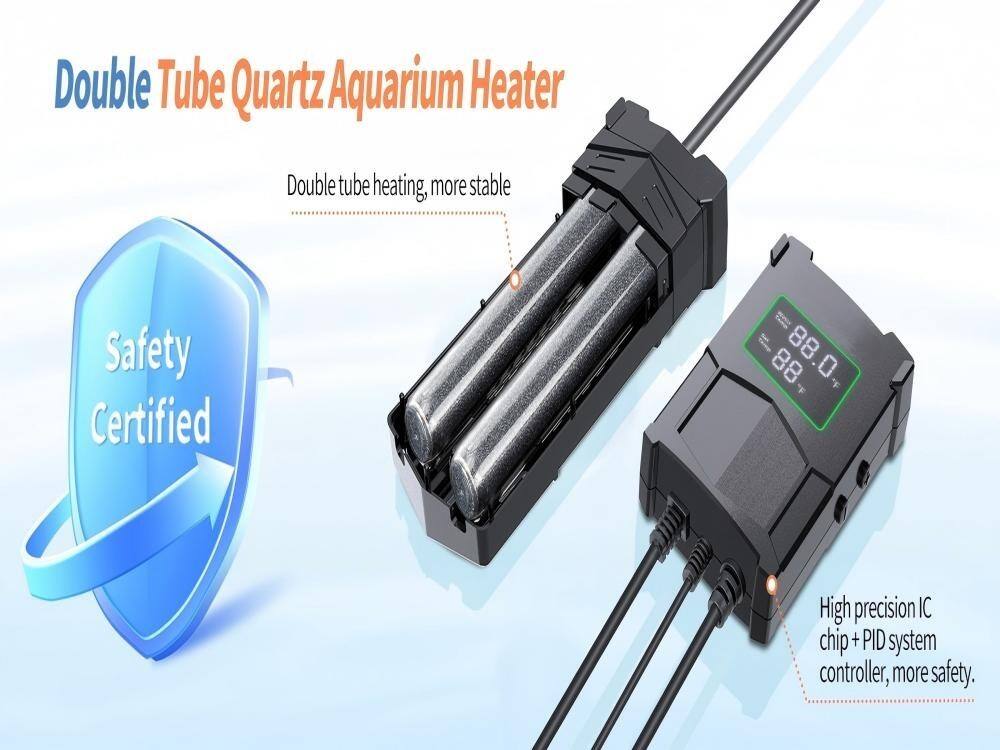
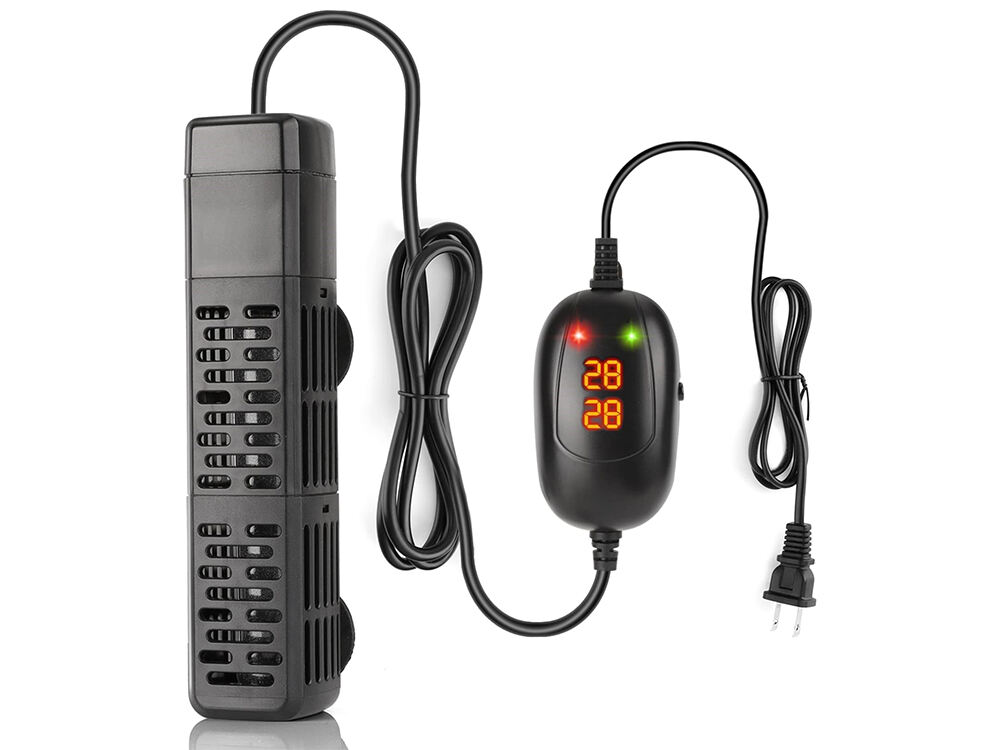
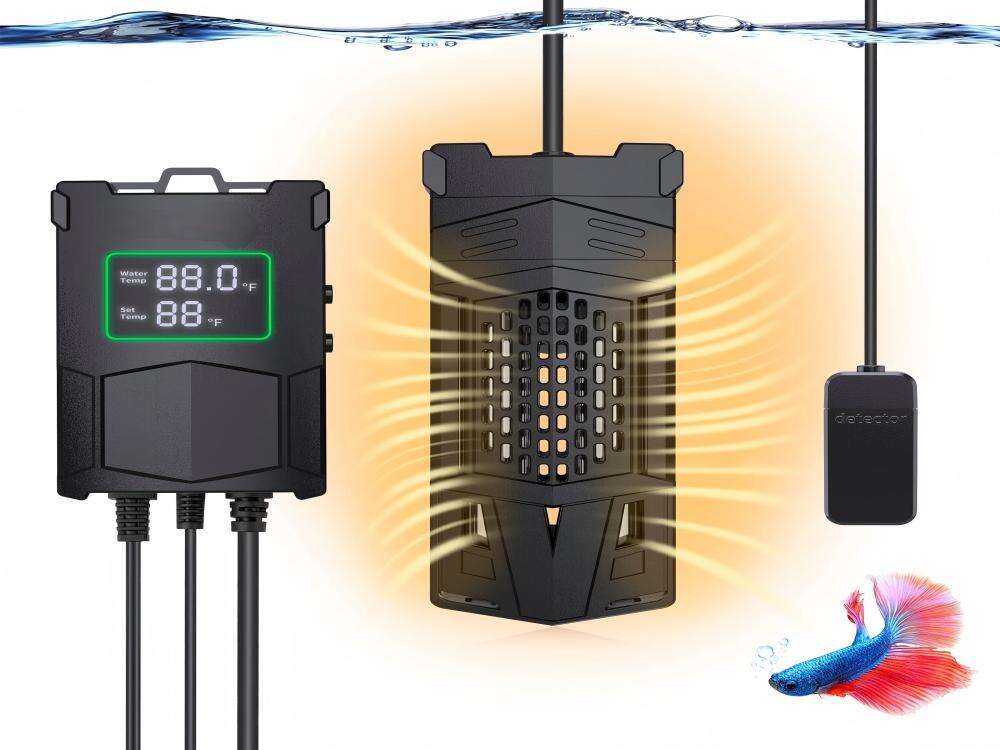
Keeping water conditions stable is absolutely critical for healthy aquariums. New hobbyists need to get filtration, heating, and temperature monitoring right from day one since these tackle the biggest problems facing most tanks: ammonia accumulation and sudden temperature changes. The biological filter does something really important - it grows helpful bacteria that break down fish waste into stuff that's not so bad for the tank. Without this process working properly, ammonia levels can skyrocket and literally kill everything in just a few hours. Tropical fish especially depend on consistent temperatures too. Even small shifts in heat can mess with their immune systems and make them more likely to catch diseases. Getting a good quality heater along with a decent thermometer makes all the difference here. These tools help keep things at the right level for whatever fish species live there while also letting aquarists check if their equipment is actually doing what it should be doing.
Why These Three Form the Non-Negotiable Foundation
Without cycling first, aquarium tanks don't have those helpful bacteria needed to break down fish waste. Good filtration systems actually cultivate these bacteria colonies which stop ammonia from building up something that kills most new setups within days. Keeping the water at the right temperature matters too since different fish need different conditions. Even a small drop of around 5 degrees Fahrenheit can really stress out fish and make them sick easier. That's why getting a decent thermometer makes sense it lets hobbyists check if heaters are working properly or not. When all these elements work together properly, fish tanks become places where aquatic creatures actually live well instead of just barely staying alive day after day.
Matching Equipment to Tank Size and Livestock Needs
Selecting appropriately sized gear prevents underperformance or energy waste. Over-filtering small tanks creates turbulent currents that stress fish, while undersized heaters fail in larger volumes. Consider these guidelines:
| Tank Size | Filtration Capacity | Heater Wattage | Livestock Considerations |
|---|---|---|---|
| 5–20 gal | 5× turnover rate | 3–5W per gal | Betta/small fish: avoid strong flow |
| 20–50 gal | 6× turnover rate | 3W per gal | Community fish: stable zones |
| 50+ gal | 7× turnover rate | 2–3W per gal | Large species: multiple heaters |
Cold-water species (e.g., goldfish) may not need heaters but still require thermometers to detect room-temperature dips. Place thermometers away from heaters to avoid false readings.
Water Quality Management: Test Kits and Conditioners Explained
Key Parameters to Monitor (Ammonia, Nitrite, Nitrate, pH)
Keeping water chemistry stable is essential if we want our fish to survive. Ammonia becomes dangerous when it goes over about 0.02 parts per million, and it comes mainly from fish waste and leftover food breaking down. When nitrites climb above half a part per million, they basically choke the fish by stopping them from absorbing oxygen properly. Nitrates aren't as immediately deadly but still cause problems when they get past 20 ppm, leading to those annoying algae blooms. The pH level matters too since sudden changes really stress out aquatic creatures. Most freshwater fish do best when the pH stays somewhere between 6.5 and 7.5. For testing, liquid test kits work better than strips because they give more accurate results and last longer on the shelf. In a well established aquarium, ammonia and nitrite levels should be close to nothing, while nitrates need to stay under 40 ppm at maximum. New hobbyists would benefit greatly from monitoring these four key factors regularly. Tracking them early can tell us about the condition of our biological filter system and potential poison issues long before any obvious signs show up in the tank.
How Water Conditioners Prevent Toxicity During Cycling
The cycling process in aquariums builds up those good bacteria that turn ammonia into nitrite and then nitrate over roughly four to eight weeks. This whole thing tends to create these dangerous ammonia spikes along the way that can actually kill fish if left unchecked. Water conditioners help tackle this problem in two main ways. First off, they grab hold of ammonia molecules and bind them into ammonium, which isn't as bad for fish but still shows up on tests. Second, they take care of chlorine and chloramines found in most tap water supplies, stuff that would wipe out both our fish friends and those important bacteria we're trying to grow. When things go sideways during cycling, these conditioners offer quick protection until the bacterial population catches up. Make sure to add them each time there's a water change, especially when using city water with chlorine. While they kick in right away, unlike some bacterial additives on the market, they won't speed up how fast the whole cycling process completes itself though.
Substrate Selection: Practical Trade-Offs for New Aquarists
Getting the right substrate down is pretty much key when setting up any decent aquarium ecosystem. Good substrate gives those bottom dwellers somewhere to hide and play around, which cuts down on stress since they don't get spooked by all those reflections bouncing off the glass. The stuff we put at the bottom actually affects water chemistry too. Take limestone gravel for instance it raises water hardness, which matters a lot for certain fish that need more alkaline conditions. Most folks start with smooth dark gravel around 1 pound per gallon tank size works well enough. It covers up bits of debris and rinses clean pretty easily before putting everything together. Fine sand isn't great to begin with though because it packs down tight and traps waste, making cleaning a nightmare later on. Think about what specific creatures want in there burrowers love finer stuff, whereas planted tanks really benefit from substrates packed with nutrients. Making this base layer decision right from the start means better looking tank plus fewer headaches down the road with things like pH swings or messy waste buildup problems.
Beginner-Safe Add-Ons: Lighting, Hardscape, and Maintenance Tools
After establishing core systems, beginners should consider essential accessories that enhance tank health without overwhelming complexity. These add-ons simplify maintenance while creating a thriving aquatic environment.
LED Lighting Basics and Algae Prevention Tips
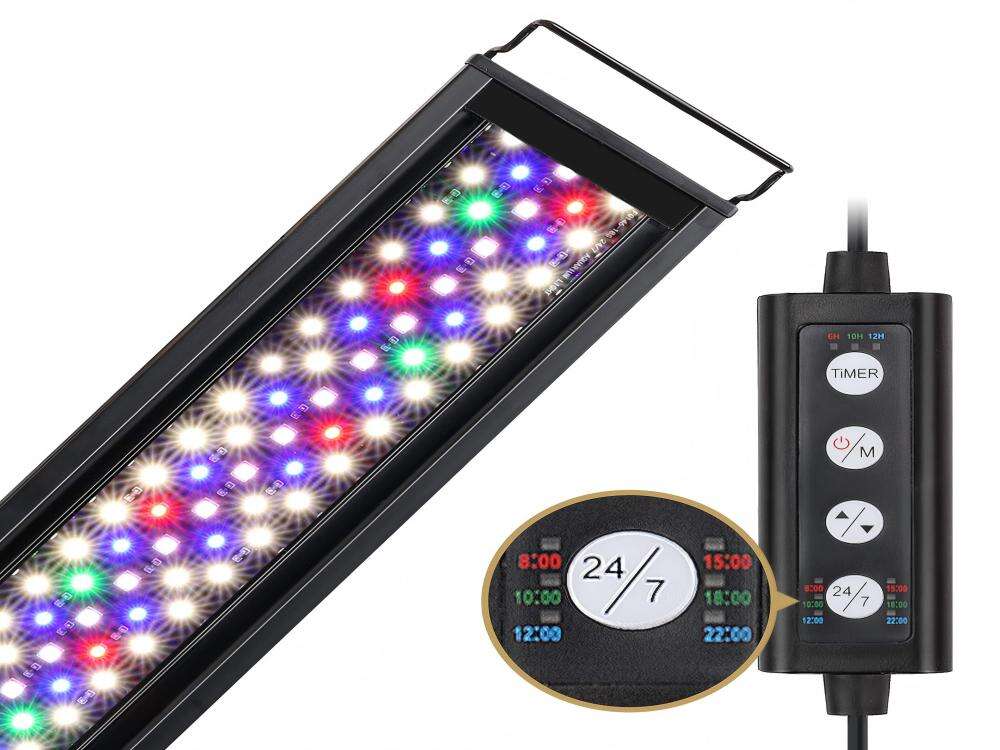
Aquarium LED lights offer good energy savings while still giving plants and fish what they need to thrive. Most experts recommend keeping the lights on around 8 to 10 hours each day, so setting up a timer can really help avoid problems with algae taking over. Make sure these lights aren't sitting where natural sunlight hits them directly, and look for models that let you adjust intensity levels depending on how deep the tank is. Tanks with lots of plants work best with those full spectrum LEDs in the 6500-7000K range since this supports plant growth through photosynthesis without making algae grow faster. Cleaning the glass regularly and doing some partial water changes also helps keep algae at bay because it removes all those extra nutrients that feed unwanted growth in the first place.
Safe Driftwood, Rocks, and Siphon Tools for Routine Care
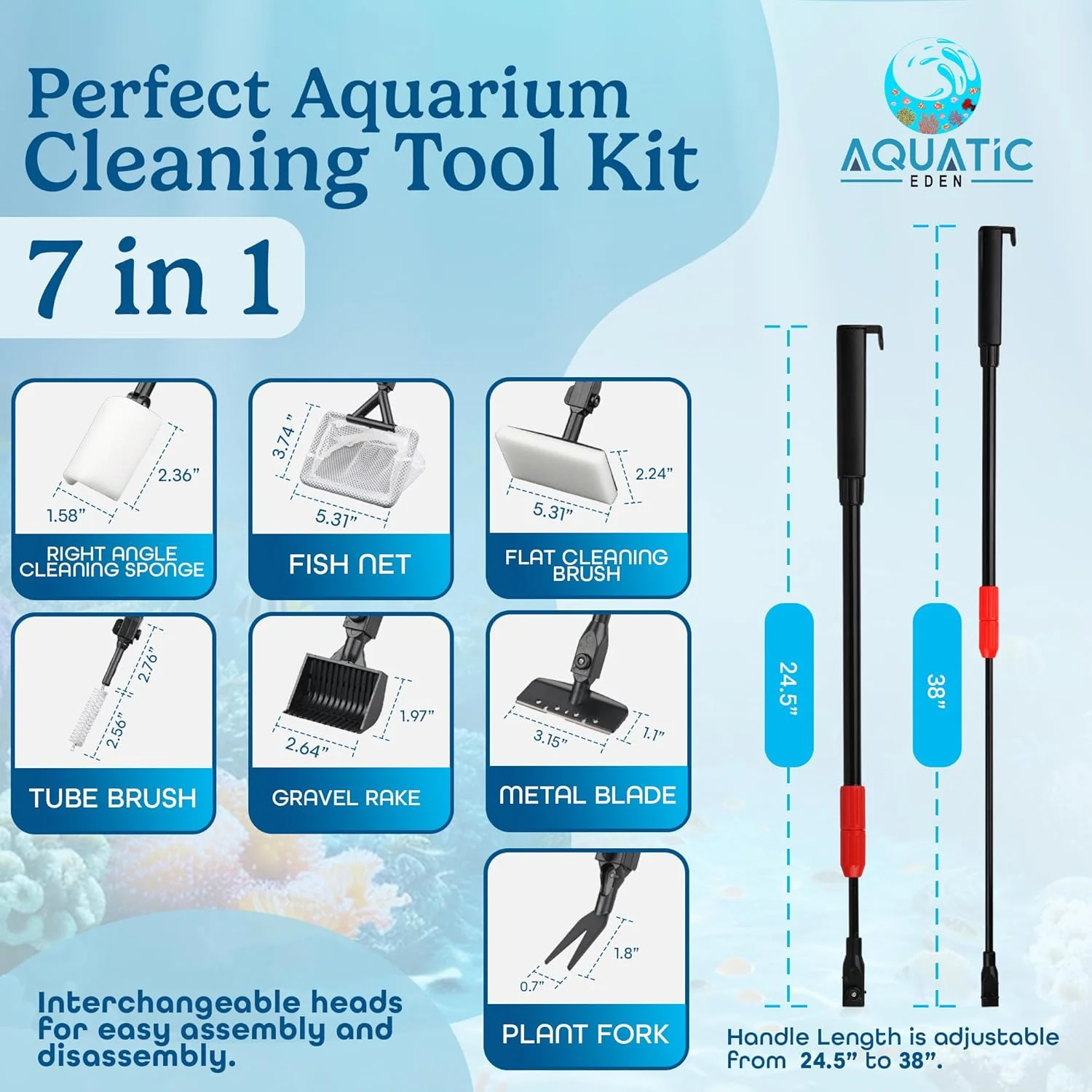
When setting up an aquarium, always go for hardscape materials that are specifically marked as aquarium safe to keep chemicals from seeping into the water. For driftwood, boiling it for around one to two hours helps get rid of those pesky tannins and kills off unwanted bacteria on the surface. Some hobbyists even boil their wood longer if they're particularly concerned about contamination. Before adding rocks to the tank, give them a quick test with some white vinegar. If they start fizzing like soda pop, best skip those rocks because they can cause sudden changes in water chemistry. Speaking of maintenance, nobody can live without a good gravel siphon these days. Run it through the tank at least once a week, pulling out about 15-25% of the water volume while vacuuming away all that gunk stuck in the gravel. This regular cleanup stops harmful substances from building up over time and actually helps maintain healthy beneficial bacteria colonies in the system. Don't forget to grab an algae scraper for keeping the glass clear and maybe pick up some soft bristled brushes for scrubbing decorations without damaging them. Most pet stores carry decent options for this stuff.
Frequently Asked Questions
What is the significance of maintaining stable water conditions in aquariums?
Stable water conditions are critical as they prevent ammonia accumulation and sudden temperature changes, ensuring the health and survival of fish. Consistency in parameters like filtration, temperature, and water chemistry supports the well-being of aquatic life.
How can water conditioners help during the cycling process?
Water conditioners are crucial during the cycling process as they bind ammonia into less harmful ammonium and neutralize chlorine and chloramines from tap water, protecting both fish and beneficial bacteria.
Why are substrates important for aquariums?
Substrates are important as they provide hiding places for bottom dwellers, influence water chemistry, and support the overall ecosystem in aquariums. Choosing the right substrate can reduce stress and help maintain stable conditions.
How can LED lighting influence aquarium health?
LED lighting helps in energy conservation while supporting plant growth and providing necessary illumination for fish. Proper use of LED lighting, like setting timers and choosing appropriate spectrum ranges, can prevent algae overgrowth and enhance aquarium aesthetics.