EN
EN



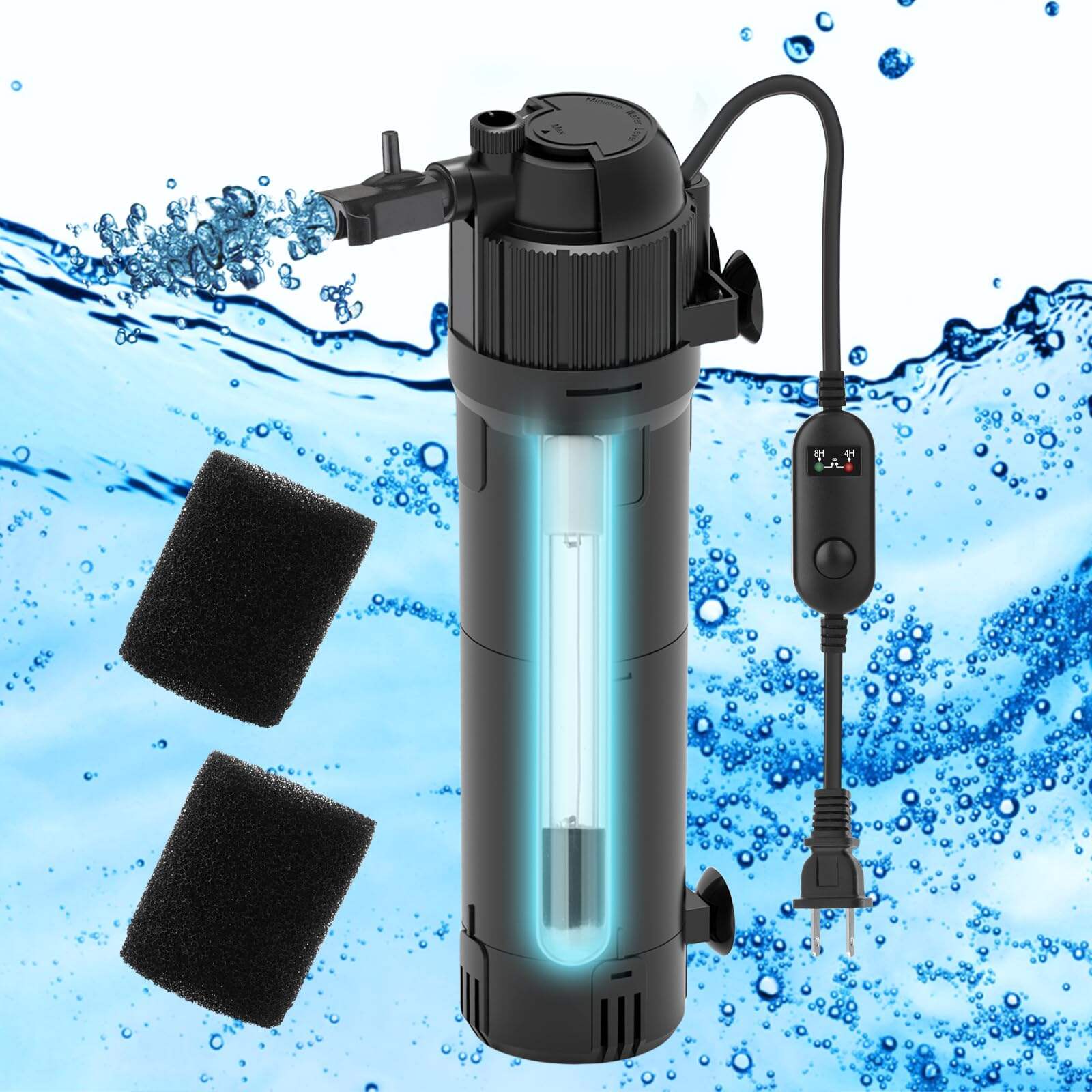
Triple-Stage Filtration: Mechanical, Biological, and Chemical Performance
Canister filters excel through triple-stage filtration, combining mechanical, biological, and chemical processes for unparalleled water clarity and health. This comprehensive approach addresses all major contaminants—particulates, toxins, and dissolved organics—making them a top-tier aquarium filter solution.
Mechanical Filtration: High-Capacity Trays for Debris Capture
The first stage uses layered filter pads and sponges in high-capacity trays to trap visible debris like fish waste and uneaten food. This prevents clogging in later stages and maintains flow efficiency. Optimized mechanical filtration reduces particulate matter by up to 95%, extending maintenance intervals to 4–6 weeks without compromising performance.
Biological Filtration: Maximized Surface Area for Beneficial Bacteria
Media like ceramic rings, bio balls, and those special matrix materials offer plenty of space for good bacteria to grow. The little microbes hanging out there turn dangerous ammonia and nitrites into something safer for fish - basically nitrates. Keeping this nitrogen cycle going strong matters a lot, particularly when someone has too many fish in their tank or it's still getting established. Quick growth of these helpful bacteria can stop what aquarists call new tank syndrome and handle all those extra fish waste products without crashing the system.
Chemical Filtration: Targeted Media Options (Carbon, GFO, Purigen) for Toxin Control
The final stage employs specialized media to adsorb dissolved impurities:
- Activated carbon removes tannins, medications, and odors
- GFO (Granular Ferric Oxide) binds phosphates to curb algae
- Purigen controls nitrogenous waste and enhances water clarity
Research confirms this stage eliminates 99% of organic toxins—directly supporting fish immunity, coloration, and long-term system stability.
Aquarium Filter Versatility: Optimized for Freshwater, Saltwater, and Planted Tanks
Handling Heavy Bio-Loads in Large or Overstocked Freshwater Systems
Canister filters handle the mess created by all those fish in heavily populated freshwater setups pretty well. These filters have big trays filled with media that grab floating particles and create lots of space for good bacteria to grow. Those bacteria are super important because they turn harmful ammonia into something less toxic, especially when there's a lot of fish waste going on. Tanks bigger than 50 gallons really need this kind of filtering power to keep things balanced. The water moves through these systems under pressure, so it keeps circulating properly without any spots where stuff gets stuck and rots away. This constant movement stops gunk from building up and messing with water conditions over time.
Saltwater-Specific Advantages: Phosphate Adsorption and Nitrate Management
Keeping chemicals balanced is really important in marine setups. Canister filters let hobbyists put specific media inside their custom chambers, such as GFO for getting rid of phosphates or special resins that tackle nitrates. Reef tank owners know how crucial this flexibility is because corals are so sensitive and need phosphate levels almost impossible to detect (below 0.03 ppm). The sealed nature of these filters stops salt from creeping out and keeps the water at the right strength, something regular open top filters just can't do. Many aquarists find that connecting them directly to protein skimmers or fluidized reactors creates a complete system for managing nutrients, which makes all the difference for maintaining healthy saltwater ecosystems over time.
Quiet, Pressurized Operation with Flexible External Placement
Near-Silent Performance (<35 dB) vs. Hang-On-Back and Internal Aquarium Filter Alternatives
Most canister filters run below 35 dB, making them almost silent compared to those noisy hang-on-back filters that splash water around like mini waterfalls, or internal models where motor vibrations buzz through aquarium glass. Their sealed pressurized system stops annoying trickling noises entirely, plus putting them outside the tank keeps all that mechanical humming away from where people live. These quiet characteristics work really well in places like bedrooms or home offices where constant background noise would be a problem. Fish tank owners often tuck these units into kitchen cabinets or under furniture without affecting water flow or filter performance, so their tanks stay looking nice and uncluttered.
Customizable Media Configuration for Targeted Tank Goals
The real advantage of canister filters comes from their modular tray systems which allow hobbyists to stack different types of media mechanical first then biological followed by chemical depending on what the tank actually needs. Take reef tanks for instance when someone puts GFO on top of biological media they stop phosphates from getting through the system. Planted tanks work better with activated carbon placed strategically because it grabs those annoying tannins without taking away all the good stuff like fertilizers. The best part is these trays don't need complete replacement every time something changes in the aquarium. Just rearrange them once every three months or so when dealing with problems like sudden algae growth after a water change or cleaning up after medication treatments. Most people notice cleaner water and healthier fish much quicker compared to traditional fixed media setups where everything stays put no matter what happens in the tank.
Long-Term Reliability: Durability, High Water Capacity, and Low Maintenance Frequency
Extended Cleaning Intervals (4–6 Weeks) Enabled by Large Media Volume and Stable Flow
The canister filter design allows for cleaning every 4 to 6 weeks because they have these big media chambers that actually hold around 30 to 50 percent more filter media compared to regular internal filters. What makes them work so well is that they handle mechanical debris really effectively while still supporting good bacteria growth over time, which keeps the biological processes running smoothly even when left alone for weeks at a time. The water moves through consistently under pressure too, so there's no standing water or spots where things get stuck, which means toxins keep getting processed properly. For people who run aquariums but don't want to spend hours maintaining equipment, this means fewer cleanings, less stress on the fish during maintenance periods, and overall better results from what many aquarists consider one of the most reliable options available for keeping tanks clean over the long haul.
FAQ
What is triple-stage filtration?
Triple-stage filtration in canister filters consists of mechanical, biological, and chemical processes to enhance water clarity and health, addressing particulates, toxins, and dissolved organics efficiently.
Why are canister filters preferred for large aquariums?
Canister filters are ideal for large aquariums as they handle high bio-loads, offer a spacious area for beneficial bacteria growth, and maintain constant water circulation, preventing debris build-up.
How often should canister filters be cleaned?
Canister filters generally require cleaning every 4-6 weeks, thanks to their large media chambers that support effective mechanical debris handling and biological process efficiency.
Can canister filters be used for different types of aquariums?
Yes, canister filters are versatile and optimized for freshwater, saltwater, and planted tanks, each benefiting from customizable media configurations and effective chemical balance management.
Table of Contents
- Triple-Stage Filtration: Mechanical, Biological, and Chemical Performance
- Aquarium Filter Versatility: Optimized for Freshwater, Saltwater, and Planted Tanks
- Quiet, Pressurized Operation with Flexible External Placement
- Customizable Media Configuration for Targeted Tank Goals
- Long-Term Reliability: Durability, High Water Capacity, and Low Maintenance Frequency
- FAQ