EN
EN



Improved Fish Health Through Consistent, Timed Feeding
How irregular feeding disrupts digestion, metabolism, and immune resilience
Fish depend heavily on regular meal times because their internal clocks control how they digest food, make enzymes, and absorb nutrients. Mess with this routine and things start going wrong inside them. If fish go too long without eating, their metabolism slows right down. But then when they get fed a big meal all at once, their stomachs can't handle it properly. This leads to energy dips later on and poor fat storage overall. What happens next? The leftover food starts fermenting in their guts which messes with the acid balance and hurts the good bacteria living there. Stress from irregular feeding also raises cortisol levels for days after, which actually stops the body from making enough white blood cells. And we see this in real life too: fish look unhealthy with faded colors, torn fins, red spots around the gills, and they become much easier targets for parasites and infections such as those caused by Flavobacterium and Ichthyophthirius.
Evidence from controlled studies: 37% lower incidence of fin rot and other stress-related diseases
Research from 2023 looked at around 500 tropical fish tanks and discovered something interesting. Tanks equipped with programmable feeders saw about 37% fewer cases of fin rot, columnaris, and ich problems when compared to those where people had to remember to feed by hand (source: Aquatic Health Review, 2023). When feeding happens on schedule, fish stress levels stay lower, which means their bodies can focus more on fighting off diseases instead of dealing with the aftermath of irregular meals. The biggest benefit? No more mistakes humans tend to make all the time. Forgetting to feed on weekdays, giving extra food before going away for the weekend, or just tossing in whatever was left over because someone was too busy. These automatic systems actually work better than they seem at first glance. They don't just save time; studies show they help keep fish healthier in the long run by following their natural eating rhythms.
Reliable Care Coverage for Busy Owners and Travelers
Real-world usage: 68% use automatic feeders during short-term absences (Aquatic Life Survey, 2023)
According to the Aquatic Life Survey from 2023, around 68% of aquarium enthusiasts have started using automatic feeders whenever they need to leave town for a few days or even longer vacations lasting up to two weeks. People are beginning to realize that keeping things consistent is actually more important than how often they feed their fish. Missing just one meal can really mess with a fish's metabolism, and feeding them all over the place doesn't help build their strength over time either. Manual feeding options usually require someone else to step in and take care of things, but automated feeders work differently. They give out food at exact times without needing anyone there, so the fish still get what they need even if the regular schedule gets disrupted somehow.
Comparison with alternatives: manual sitters vs. vacation blocks vs. smart feeders
When planning for absence, owners typically weigh three options:
- Manual pet sitters often lack species-specific knowledge—leading to inconsistent timing, overfeeding, or skipped meals
- Vacation blocks dissolve unpredictably, leaching excess nutrients and spiking ammonia; they also encourage algae growth and degrade water clarity
- Smart feeders dispense calibrated portions on schedule, integrating reliability with precision
Unlike blocks or untrained sitters, smart feeders prevent the primary driver of water quality collapse: decaying uneaten food. Their portion control and timing accuracy make them the most effective solution for sustaining both fish health and tank stability during owner absences.
Precision Portion Control to Protect Water Quality and Prevent Overfeeding
Overfeeding initiates a destructive biochemical cascade:
- Excess food decomposes, releasing toxic ammonia
- Ammonia spikes fuel aggressive algae blooms
- Bloom decay consumes dissolved oxygen
- Oxygen depletion stresses or suffocates aquatic life
Studies over twelve weeks indicate that automatic feeders cut down on nitrate buildup by about forty two percent compared to when people feed manually. Getting rid of the guessing game around how much food goes into tanks helps prevent too many nutrients from building up, which matters a lot for delicate fish species. Even small changes in ammonia levels above half a part per million can cause real problems for these animals physiologically speaking. Aquarium hobbyists find that having control over portions makes tank upkeep much easier since it stops dirty water issues before they start. These feeding systems work really well when paired with today's aquarium gadgets, making them essential for anyone wanting their tank to stay healthy long term. Instead of fixing water problems after they happen, these devices actually stop them from occurring in the first place through better chemistry management.
Smart Aquarium Accessories Tools That Integrate With Modern Tank Management
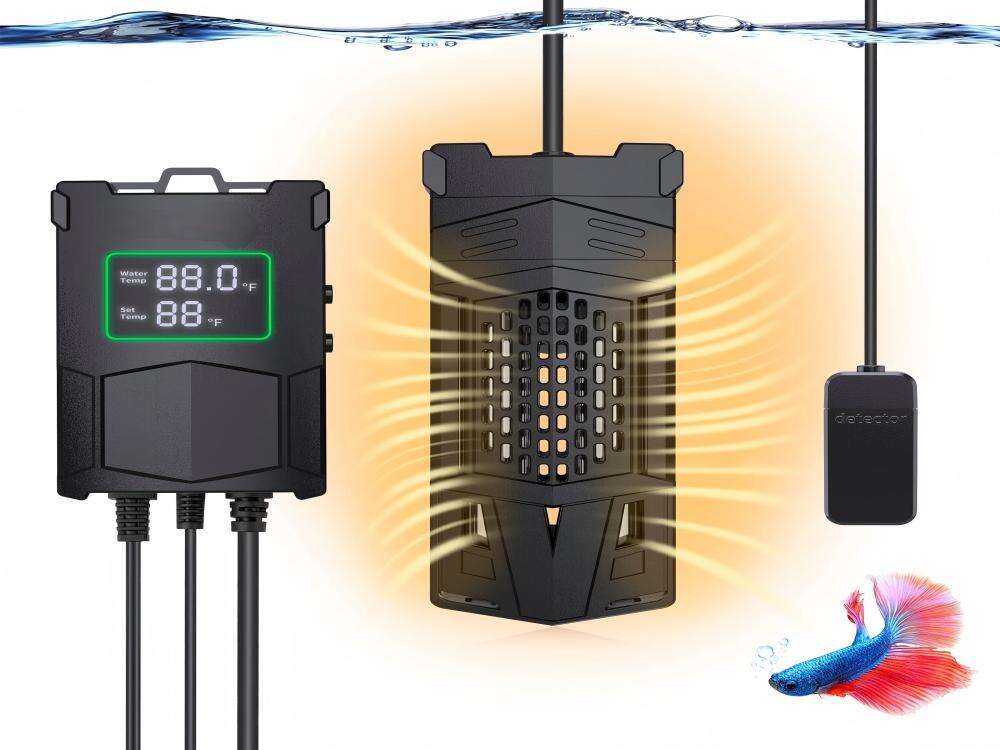
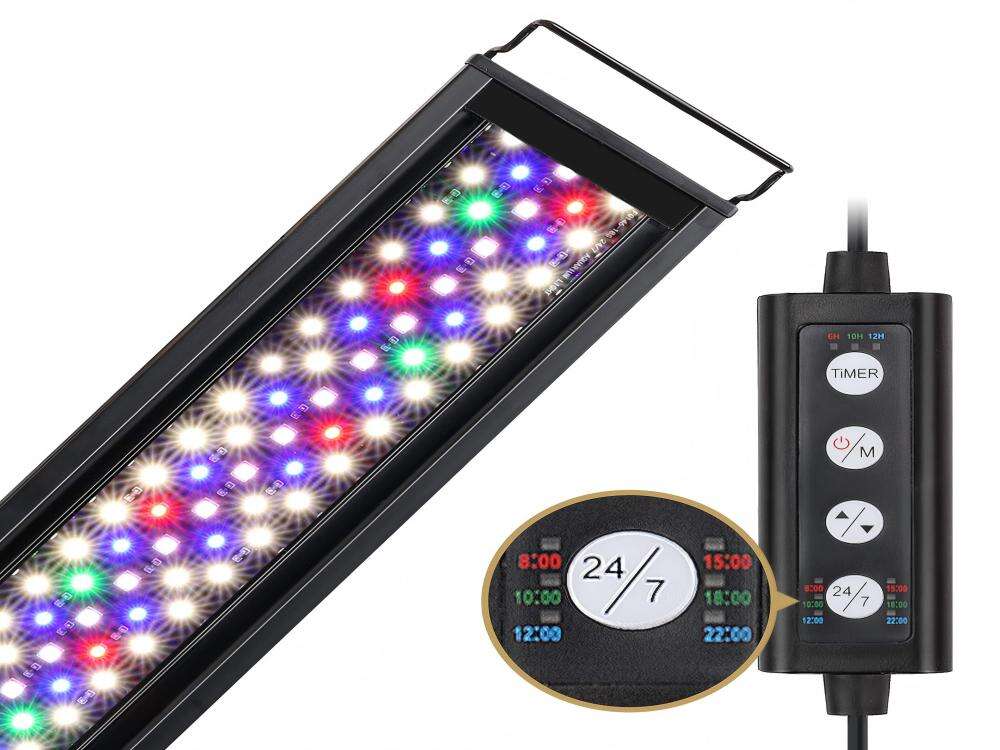
Today's fishkeeping is all about connecting different parts of the system together. Smart aquarium gadgets link up through Wi-Fi or Bluetooth to central control units. This lets hobbyists check water parameters like pH levels, ammonia content, temperature readings, and dissolved oxygen from their phones anytime they want. The automatic feeders work hand in hand with environmental sensors too. When nitrates get too high, these feeders cut back on food amounts. They'll even stop feeding completely if water temps suddenly drop below safe levels. Lighting systems have gotten pretty advanced as well. Many now mimic day/night cycles that help keep fish healthy over time. Plus there are warning notifications sent straight to smartphones when any water conditions start drifting out of normal ranges. All this connected tech means less hands-on maintenance for tank owners. Instead of guessing what might be wrong, they actually see problems developing early on. Fish tanks stay much healthier overall because all these smart devices basically talk to each other and work as a team.
FAQ
What happens if fish are fed irregularly?
Irregular feeding can disrupt digestion, slow metabolism, and weaken the immune system, making fish more susceptible to stress, infections, and diseases.
What are the benefits of using an automatic feeder?
Automatic feeders provide consistent feeding schedules, reduce stress in fish, minimize human error in feeding, and help maintain water quality by preventing overfeeding.
Why are smart feeders preferred over vacation blocks?
Smart feeders offer precise portion control and timing, preventing issues like decaying uneaten food that often occurs with vacation blocks, leading to better water quality and fish health.