EN
EN



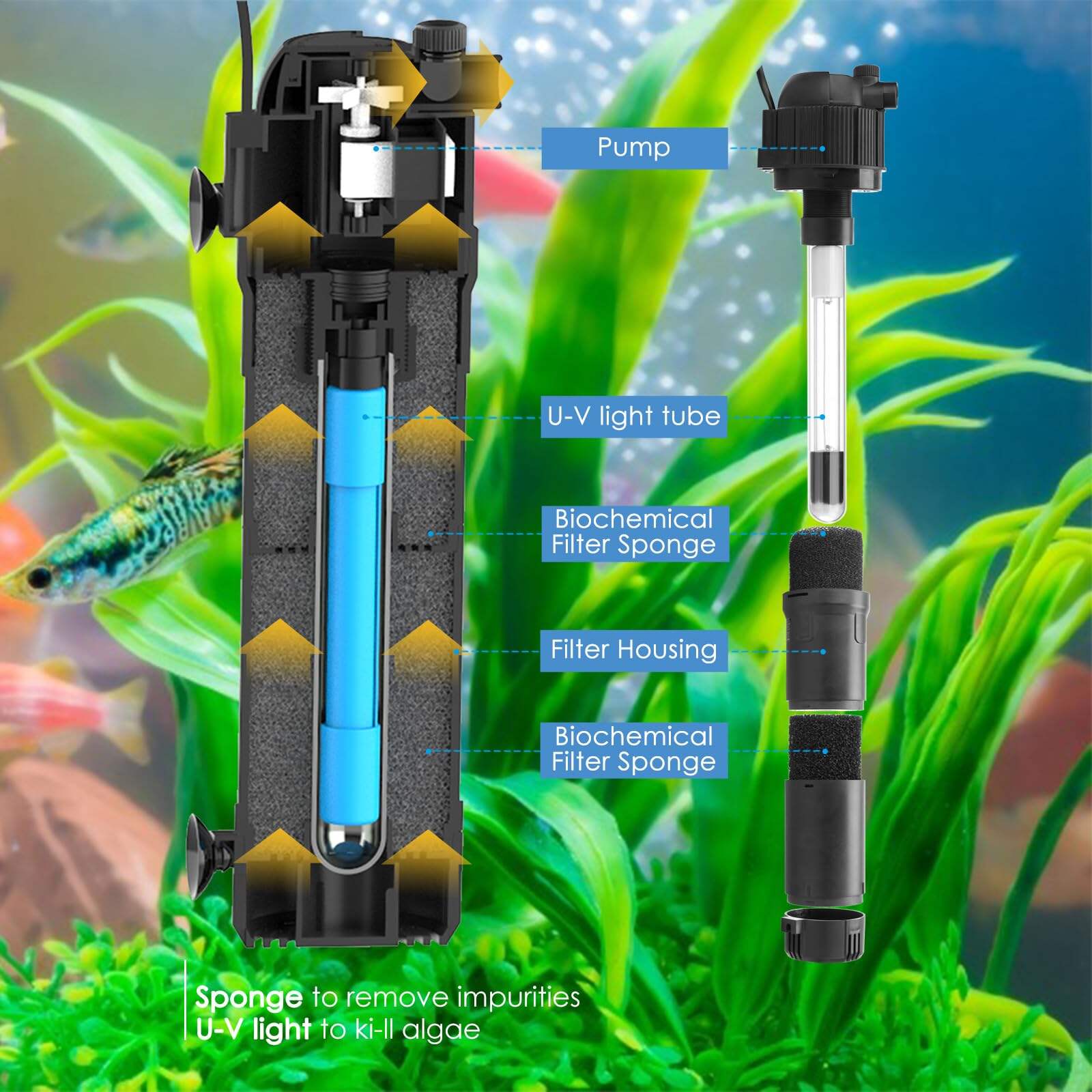
Mechanical Filtration: Capturing Debris to Protect Your Aquarium Filter
How sponges, floss, and foam physically trap particulates before they decompose
Aquarium filters start their work by grabbing solid waste materials such as fish waste, leftover food bits, and bits of decaying plants as water flows through them. The sponges inside these systems along with filter floss and foam layers function much like nets catching tiny particles floating around in the water column. By stopping this stuff before it gets broken down further, mechanical filtration helps keep tanks cleaner for longer periods of time since there's less organic material sitting around to rot away.
- Minimizes ammonia generation at the source
- Reduces strain on biological filtration
- Maintains visual clarity by removing turbidity-causing particulates
Neglecting mechanical filtration allows waste to accumulate and decay, directly increasing biological load and destabilizing water quality.
Maintenance impact: Balancing water clarity, flow rate, and oxygen exchange
Consistent upkeep of mechanical media ensures optimal filter performance and supports overall system health. Clogged sponges or saturated floss restrict water flow, diminishing oxygen exchange and overworking the pump. Best practices include:
- Rinsing media in dechlorinated tank water every 2–4 weeks to preserve beneficial bacteria
- Replacing degraded foam or floss every 3–6 months
- Using reduced flow rate as an early warning sign of clogging
Proper maintenance prevents dead zones, sustains dissolved oxygen levels, and preserves the stable environment biological media require to thrive.
Biological Filtration: The Invisible Engine of Your Aquarium Filter
Nitrifying bacteria converting ammonia to nitrite to nitrate—the nitrogen cycle in action
The health of any aquarium really depends on biological filtration. Good bacteria, mostly Nitrosomonas and Nitrobacter types, settle into media with lots of surface area such as ceramic rings, those plastic bio balls people often install, or even chunks of lava rock from volcanoes. What these little organisms do is run the whole nitrogen cycle show. First off, Nitrosomonas takes care of the nasty ammonia by turning it into nitrite. Then comes Nitrobacter which handles the nitrite problem by converting it into something much safer called nitrate. Without this natural cleanup crew working behind the scenes, all sorts of problems start happening because mechanical filters just can't catch everything. Studies have shown that when tanks lack proper biological filtration, around seven out of ten aquarium failures could actually be prevented. That's why serious hobbyists know their tank won't stay stable for long without these microscopic workers doing their thing day after day.
Why biological media needs time, stable conditions, and protection from chlorine or antibiotics
It usually takes around four to eight weeks for a good biological colony to form in brand new systems. During this time frame, bacteria multiply and settle down into their environment. When these colonies finally become established, they're pretty fragile though. Things like chlorine from regular tap water, big changes in pH levels or water temperature, and even certain antibiotics can wipe out the helpful nitrifying bacteria really fast. And when those bacteria disappear, we end up with dangerous ammonia spikes that can harm our system. That's why maintaining stable conditions is so important once the colony has had time to develop properly.
- Maintain stable parameters (pH 6.5–7.5, temperature 75–80°F)
- Always use a dechlorinator during water changes
- Rinse biological media only in tank water—not tap water—to avoid killing resident bacteria
Peer-reviewed studies confirm that aquariums with mature biological filtration show up to 60% lower fish mortality compared to newly cycled or poorly maintained systems.
Key Differences: Purpose, Media, and What Each Type of Aquarium Filter Actually Removes
The roles of mechanical and biological filtration are different but work together in aquaria systems. Mechanical filtration deals with stuff we can see like solid particles. It takes out leftover food, fish poop, and other debris through materials such as sponges, foam pads, or filter floss. This helps keep water clear and stops bad things from happening when organic matter breaks down too much. Biological filtration handles those hidden problems though. It works on the microscopic level where nitrifying bacteria live on rough surfaces like ceramic rings, bio balls, or lava rocks. These helpful microbes change dangerous ammonia into less harmful nitrites and eventually into nitrates that plants can use. So basically, mechanical keeps things looking good and maintaining proper oxygen levels while biological makes sure chemicals stay safe for aquatic life. When these two systems don't balance properly, aquariums run into trouble either because there's too much organic sludge building up or because ammonia spikes dangerously high due to failed biological processes.
Key Difference Table
| Filtration Type | Primary Purpose | Media Used | Contaminants Removed |
|---|---|---|---|
| Mechanical | Physical debris capture | Sponges, foam pads, filter floss | Uneaten food, fish waste, plant matter |
| Biological | Toxin neutralization | Ceramic rings, bio-balls, porous rock | Ammonia, nitrites |
Synergy in Practice: Why Every Effective Aquarium Filter Combines Both Types
Real-world evidence: How dual-stage filtration prevents algae blooms and fish stress
Good aquarium filters combine mechanical and biological filtration in ways that work together rather than just sitting next to each other. The mechanical part grabs all those decaying bits before they start putting out ammonia, which means the helpful bacteria don't get overwhelmed and there's less chance of that green algae takeover. At the same time, when the mechanical media stays clean, it keeps water moving properly through the system. This movement brings oxygen to where the beneficial bacteria live, so they stay healthy and do their job better. Clean water flows mean happy bacteria, and happy bacteria mean a healthier tank overall.
Standalone approaches consistently underperform: tanks relying solely on mechanical filtration experience significantly more ammonia spikes, while biological-only systems quickly clog and suffocate their own bacteria. Dual-stage filtration delivers measurable benefits:
- 68% fewer emergency water changes
- Lower cortisol levels in fish—indicating reduced physiological stress
- Greater resilience against feeding errors or minor parameter fluctuations
This synergy doesn’t just improve aesthetics—it sustains the dual pillars of aquatic health: crystal-clear water and chemically stable conditions.
FAQ
-
What is mechanical filtration in aquariums?
Mechanical filtration involves using media such as sponges, foam, and filter floss to capture solid waste and debris from aquarium water before it decomposes. -
How often should I clean mechanical filtration media?
You should rinse mechanical media in dechlorinated tank water every 2-4 weeks to maintain its effectiveness and replace degraded foam or floss every 3-6 months. -
What does biological filtration do in an aquarium?
Biological filtration uses beneficial bacteria to convert harmful ammonia into nitrite and then nitrate, which is essential for maintaining stable and healthy aquarium water. -
Why is it important to combine both mechanical and biological filtration?
Combining both filtration types ensures a balanced system where mechanical filtration prevents debris build-up and biological filtration keeps toxins like ammonia and nitrites in check, leading to a healthier aquatic environment.
Table of Contents
- Mechanical Filtration: Capturing Debris to Protect Your Aquarium Filter
- Biological Filtration: The Invisible Engine of Your Aquarium Filter
- Key Differences: Purpose, Media, and What Each Type of Aquarium Filter Actually Removes
- Synergy in Practice: Why Every Effective Aquarium Filter Combines Both Types
- FAQ