EN
EN



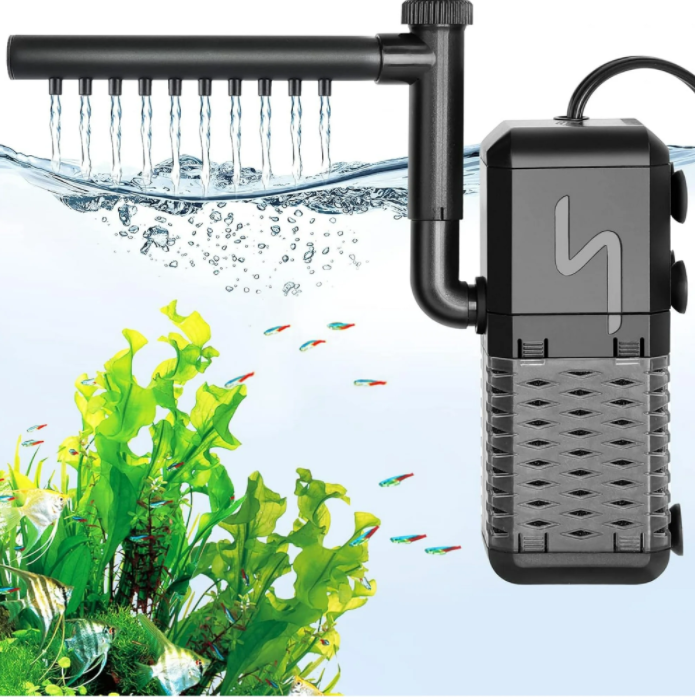
Understanding the Role of an Aquarium Fish Tank Filter in Small Setups
Why every small tank needs an effective aquarium fish tank filter
Small tanks below 15 gallons see water quality problems develop fast. Without proper filtering systems, ammonia levels can spike to dangerous amounts (around half a part per million or more) in just a day according to recent research from the Aquarium Science Journal. Good filters do several important things at once: they catch floating particles, provide homes for helpful bacteria that process fish waste, and stop the water from running out of oxygen. These functions matter a lot in small aquariums because tiny changes in chemistry really affect sensitive fish species such as bettas and neon tetras. Anyone keeping these colorful little fish knows how quickly things can go wrong if basic water parameters aren't maintained properly.
The balance between mechanical, biological, and chemical filtration in small aquariums
Small filters must efficiently handle all three filtration types:
- Mechanical: Removes visible particles like uneaten food
- Biological: Converts toxic ammonia into less harmful nitrates via bacterial colonies
- Chemical: Absorbs dissolved pollutants using activated carbon or specialized resins
According to Dr. Jessica Fox, a certified aquatic veterinarian, "Biological filtration is the cornerstone of tank stability, particularly in nano tanks where water volume is limited." Overloading chemical media or neglecting sponge replacements disrupts this balance, risking bacterial die-offs.
How lack of filtration impacts water quality and fish health
When aquariums go without filters, ammonia levels tend to spike dangerously high, which hurts fish gills and weakens their ability to fight off diseases. According to research from last year, around two-thirds of those tiny 5-gallon tanks without filtration ended up with chronic fin rot problems after just two weeks. Some aquarists try changing half the water every week as a fix, and while this does help for a while, it simply can't match what a good filter does all day long. Species such as delicate shrimp or sensitive guppies really struggle in these conditions since they need consistent water quality to thrive properly.
Sponge Filters for Small Tanks: Simplicity and Biological Efficiency
Why sponge filters are ideal for low-flow environments like betta tanks and nano setups
Sponge filters work really well in those little aquarium setups where the water movement needs to be gentle. Betta fish love these conditions since they don't handle strong currents very well at all. The same goes for nano tanks, which are typically anything below ten gallons or so. These tiny systems get along great with sponges because they don't disturb too much water when cleaning. Power filters tend to stir things up quite a bit, but sponge filters operate differently. They rely on air bubbles to suck stuff through their pores instead. This makes them much better suited for tanks housing sensitive creatures like certain types of shrimp or other delicate aquatic life that might get stressed out by constant water motion.
Superior biological filtration through porous sponge media
Sponge filters have this complex structure that creates great conditions for nitrifying bacteria to thrive. These little organisms are essential because they convert harmful ammonia and nitrites into something less dangerous. According to research published last year on marine filtration systems, sponges actually support around 40 percent more good bacteria per square inch compared to those ceramic rings we often see in small aquariums below 15 gallons capacity. Because of this advantage, sponge filters work really well when it comes to biological filtration, which is basically what keeps water chemistry stable in our smaller tank setups.
Ease of maintenance and cost-effectiveness for beginner aquarists
Sponge filters don't need anything special except for an air pump, which makes them around 70 percent cheaper than those hang-on-back filters most people buy. When it comes time to maintain them, just give the sponge a quick rinse in some tank water while doing regular water changes. This helps keep all those good bacteria alive. Takes me less than five minutes once a month at most. The best part? They're so simple to use that newbies often skip right over problems others face with their filters. No messing up on replacing media or getting worried about whether the water flows correctly through everything.
Limitations: Are sponge filters sufficient for heavily stocked small tanks?
Sponge filters work pretty well for small tanks with not too many fish, but they really start to show their limits when the tank gets crowded beyond about 1 inch of fish per gallon. When there are too many fish packed in, they produce waste way faster than the good bacteria in the filter can handle it all, which leads to dangerous ammonia levels building up over time. For folks dealing with heavily stocked tanks, combining a basic sponge filter with something extra for mechanical filtering makes sense. Something simple like adding another sponge at the intake helps grab more debris before it even reaches the main filter, while still letting those beneficial bacteria do their job properly. Most experienced aquarists will tell you this combo works better than relying solely on a sponge filter in bigger or more populated tanks.
Hang-on-Back and Internal Filters: Power and Flexibility in Compact Designs
Hang-on-back (HOB) filters for small tanks: Balancing performance with space constraints
Hang-on-back filters work really well for smaller aquariums, especially those under twenty gallons. They manage to pack good filtration into a compact design without taking up much room inside the tank itself. The way these filters operate is pretty straightforward actually: they suck water through mechanical pads first then send it through biological media before returning clean water back to the tank. What makes them so great for small spaces is how part of the unit sits outside the tank entirely. Most newer models come with adjustable settings ranging between fifty to one hundred fifty gallons per hour. This flexibility lets hobbyists tweak things according to what specific fish require. Take bettas for instance, lowering the flow rate down around seventy-five GPH helps keep them calm since fast moving water stresses them out, yet still creates enough movement at the surface to maintain proper oxygen levels in the water.
Internal aquarium filters: Space-saving benefits and customizable media options
Internal filters that work underwater are becoming a popular choice for those small nano tanks below ten gallons capacity. Being completely submerged means no annoying splashing sounds, plus they let owners customize what's inside. Many people swap out the standard carbon stuff for those ceramic rings which help boost biological filtration capabilities quite a bit. Looking at recent data from hobbyist communities in 2023, around two-thirds of folks keeping planted tanks actually go for these internal models when housing shrimp. Makes sense too since the gentle water draw protects those fragile little creatures without stressing them out during maintenance routines.
| Feature | HOB Filters | Internal Filters |
|---|---|---|
| Installation | Exterior-mounted | Fully submerged |
| Flow Control | Adjustable (50-200 GPH) | Fixed or limited adjustment |
| Media Capacity | 30% larger bio-media chambers | Compact but customizable |
| Best For | Community tanks | Shrimp/species-specific setups |
Matching flow rate (GPH) to tank size and fish species needs
Most small aquariums work best when water flows through them about 4 to 5 times their total volume each hour. For example, a typical 10-gallon tank needs around 40-50 gallons per hour if keeping tetras, though bettas with longer fins actually do fine with just 25-35 GPH. Going too heavy on filtration can wipe out those helpful bacteria that keep the tank healthy. On the flip side, not enough filtering lets ammonia build up dangerously fast. When levels go past 0.5 parts per million, neon tetras start dying off pretty quickly based on what fishkeepers have observed over years of experience maintaining these delicate little fish.
Case Study: Optimizing a mini HOB filter in a 10-gallon community tank
A 10-gallon tank housing guppies and corydoras achieved stable water parameters (0 ppm ammonia, <10 ppm nitrate) using a HOB filter modified with:
- Pre-filter sponge to protect fry
- Matrix bio-media replacing stock cartridges
- Flow reducer valve set to 85 GPH
Water clarity improved from 75% to 98% NTU turbidity units within 14 days, demonstrating effective mechanical-biological synergy.
Comparing Filtration Types: Which Aquarium Fish Tank Filter Is Best for Your Setup?
Mechanical, biological, and chemical filtration effectiveness: Sponge vs. HOB vs. internal
Sponge filters work really well for biological stuff because of all those tiny holes that give good space for helpful bacteria to grow on. The downside? They don't have special spots for things like activated carbon or other chemicals that take out bad stuff from water. Moving on to hang-on-back filters, these guys do both mechanical and biological jobs at once. They catch debris with their cartridges and also have those ceramic rings where bacteria can hang out. Internal filters are pretty cool too since they come with trays that let people swap out different media as needed. This makes them great when someone wants to tweak how much chemical filtering happens in their tank setup.
| Filtration Type | Sponge Filter | HOB Filter | Internal Filter |
|---|---|---|---|
| Mechanical Efficiency | Low | High | Moderate |
| Biological Capacity | Excellent | Good | Good |
| Chemical Flexibility | None | Limited | High |
Hybrid approaches gaining traction in nano and planted tank communities
Aquarists in specialized setups increasingly combine multiple filter types. For example, pairing a sponge filter with a mini HOB unit enhances mechanical filtration in densely planted nano tanks while preserving biological efficiency. These hybrid systems address the limited media capacity of standalone options in tanks under 10 gallons.
Strategy: Matching filter type to tank size, fish species, and care routine
- Tanks under 5 gallons: Sponge filters prevent strong currents that stress species like bettas
- 10-15 gallon community tanks: HOB filters handle higher bioloads from schooling fish
- Aquarists with limited maintenance time: Internal filters with large media bays extend cleaning intervals
Data Point: 78% of beginner aquarists prefer sponge or internal filters for tanks under 15 gallons (Aquarium Science Journal, 2023)
The majority of new hobbyists prioritize gentle water flow and simple maintenance, with only 12% opting for HOB filters in small setups according to recent surveys. This aligns with the needs of common nano tank species like shrimp and dwarf gouramis.
Key Features to Prioritize in the Best Small Aquarium Fish Tank Filter
Optimal Flow Rate and Safety Considerations for Sensitive Fish Like Bettas
Getting the right flow rate matters a lot for those tiny tanks with sensitive fish. Betta owners know this well since their little friends get stressed out by strong water movement. Most aquarium experts suggest getting filters that let you adjust how fast the water moves around. This helps keep things calm for the fish without sacrificing good water quality. Newer filter models come with all sorts of handy additions like pre-filters or special flow reducers that cut down on suction power but still keep the water moving properly through the system. According to folks who really know their stuff in the aquarium world, aiming for filters that can handle about 4 to 6 times the total water volume each hour works best for most small tanks. It gives enough circulation without making the tank feel like a whirlpool for the inhabitants.
Filter Media Capacity and Extended Maintenance Intervals
Superior biological filtration hinges on ample surface area for beneficial bacteria colonization. Look for compact filters that accommodate layered media systems—dense filter sponges coupled with ceramic rings enhance nutrient breakdown. This multi-stage approach extends maintenance intervals to 3-4 weeks in lightly stocked tanks, reducing disruption to fragile ecosystems.
Noise Reduction Technologies in Modern Compact Filter Designs
Advancements in silent operation make small filters ideal for bedrooms or offices. Submersible pumps with magnetic impellers and vibration-dampening mounts now operate below 40 decibels—quieter than typical conversation levels.
Budget-Friendly Options That Don’t Compromise Core Filtration Performance
Cost-effective solutions prioritize durable materials over aesthetic extras. Many entry-level models achieve <$25 price points while offering mechanical and biological filtration, though they may lack adjustable flow. Data indicates 63% of nano tank owners successfully use these basic filters when paired with weekly water testing (Aquatic Health Quarterly, 2023).
FAQ
What are the main types of filtration needed for small tanks?
Small tanks require mechanical, biological, and chemical filtration to effectively manage debris, toxic ammonia, and dissolved pollutants.
Why are sponge filters recommended for smaller setups?
Sponge filters are ideal for smaller tanks because they offer superior biological filtration, are easy to maintain, and create gentle water movement that doesn't stress sensitive aquatic life.
What's the best flow rate for sensitive fish like bettas?
For sensitive fish such as bettas, an optimal flow rate should be about 4 to 6 times the tank's volume per hour to ensure gentle circulation that won’t stress the fish.
Are sponge filters enough for heavily populated tanks?
Sponge filters may not suffice for heavily stocked tanks as the rate of waste production can exceed the cleaning capacity. Combining sponge filters with additional mechanical filtration helps manage the load.
Table of Contents
- Understanding the Role of an Aquarium Fish Tank Filter in Small Setups
- Sponge Filters for Small Tanks: Simplicity and Biological Efficiency
-
Hang-on-Back and Internal Filters: Power and Flexibility in Compact Designs
- Hang-on-back (HOB) filters for small tanks: Balancing performance with space constraints
- Internal aquarium filters: Space-saving benefits and customizable media options
- Matching flow rate (GPH) to tank size and fish species needs
- Case Study: Optimizing a mini HOB filter in a 10-gallon community tank
-
Comparing Filtration Types: Which Aquarium Fish Tank Filter Is Best for Your Setup?
- Mechanical, biological, and chemical filtration effectiveness: Sponge vs. HOB vs. internal
- Hybrid approaches gaining traction in nano and planted tank communities
- Strategy: Matching filter type to tank size, fish species, and care routine
- Data Point: 78% of beginner aquarists prefer sponge or internal filters for tanks under 15 gallons (Aquarium Science Journal, 2023)
- Key Features to Prioritize in the Best Small Aquarium Fish Tank Filter
- FAQ