EN
EN



Encourages Consistent Hydration with Flowing Water Technology
Why Pets Are Instinctively Drawn to Moving Water
Our feline and canine friends have developed a real thing for running water in the wild since standing water can be dangerous because it tends to grow all sorts of bad bacteria. This ancient survival trait sticks around even in house pets these days. Studies show something like 78 percent of them actually go for the fountain bowl instead of regular ones when given a choice. Their ears are pretty amazing at picking up on tiny water sounds about four times better than we can manage. And those little ripples catch their eye too, making them want to drink without even thinking about it first.
Design Elements: Free-Falling Streams and Waterfall Mimicry
Premium pet water fountains incorporate three key hydrodynamic features:
- Multi-stage cascades that oxygenate water while mimicking natural streams
- Adjustable flow regulators accommodating different species’ preferences
- Recirculation systems maintaining freshness through 300+ daily cycles
These elements work together to create an engaging hydration experience, with waterfall-style designs proving most effective in behavioral studies.
How Flowing Water Increases Daily Hydration in Cats and Dogs
Moving water contains up to 15% more dissolved oxygen than stagnant water, enhancing palatability and digestive efficiency. For cats—prone to chronic dehydration—fountains increase fluid intake by 42% compared to bowls, directly supporting kidney function. Dogs spend 28% longer drinking from circulating water due to the "play-response" triggered by surface movement.
Evidence-Based Benefit: 30% Higher Water Intake With Fountains
A landmark Journal of Feline Medicine and Surgery (2023) study tracked 200 cats over six months, finding:
| Hydration Source | Daily Intake (mL/kg) | UTI Incidence |
|---|---|---|
| Still Water Bowl | 34.2 | 17% |
| Circulating Fountain | 44.5 (+30.1%) | 6% (-64.7%) |
The research confirms flowing water’s dual benefit—increased consumption and measurable health improvements.
Ensures Clean, Fresh Water with Advanced Multi-Stage Filtration
Overview of filtration's role in maintaining water quality
Pet water fountain filters combat organic debris, mineral buildup, and microbial growth, preserving water freshness. While flowing water resists surface contamination, robust filtration is essential for removing dissolved impurities. A 2023 Water Quality Association study found three-stage systems reduce bacterial contamination by 94%, underscoring their importance in safeguarding pet health.
Types of filters: Activated carbon, foam, and ion-exchange resins
Modern systems combine complementary filter types for comprehensive purification:
| Filter Type | Primary Function | Effectiveness Duration |
|---|---|---|
| Activated Carbon | Neutralizes odors, removes heavy metals | 2–4 weeks |
| Foam Pre-Filter | Traps hair and debris | 1–2 weeks |
| Ion-Exchange Resins | Softens water by reducing calcium/magnesium | 4–6 weeks |
Filter functions, replacement cycles, and effectiveness
The tiny pores in activated carbon grab about twice as many impurities compared to regular mesh filters, which is why most people find they need to swap them out once a month to keep things running smoothly. Foam sections catch bigger stuff first so it doesn't clog up the later parts of the system, and those resin filters do their part by keeping the water at just the right acidity level. According to some top animal health experts we've talked to, folks should really consider how many pets they have when figuring out when to replace everything. If there are multiple animals drinking from the same fountain, expect to clean or replace components roughly a quarter sooner than normal because all that extra usage wears things down faster.
Do pet water fountain filters really reduce bacteria? Examining the evidence
Peer-reviewed research confirms high-quality filters significantly lower microbial risks. A 2023 hydration study demonstrated multi-stage systems remove 99.6% of E. coli and 98.9% of Staphylococcus strains within 48 hours of installation. Combined with regular cleaning, certified filters help maintain water safety between weekly maintenance sessions, though no system eliminates all pathogens indefinitely.
Supports Long-Term Urinary and Kidney Health Through Better Hydration
Link Between Hydration and Reduced Risk of Urinary Tract Infections
Keeping pets properly hydrated through a water fountain can really help with their urinary tract health since the flowing water dilutes toxins and bad bacteria in the bladder area. Studies have found that animals drinking about 30 percent more water when they have access to these flowing systems tend to get urinary tract infections around 42% less often than those who just use regular bowls. The science backs this up too - staying well hydrated is actually pretty important for washing out those mineral deposits that eventually turn into crystals, which are basically what starts causing blockages in our feline friends. Plus, the constant movement of fresh water coming through the fountain stops bacteria from growing as much because there's no stagnant water sitting around where germs can multiply.
Veterinary Insights on Fountains and Prevention of Chronic Kidney Disease
Most vets will tell pet owners that keeping their animals properly hydrated helps their bodies filter out waste better and can slow down the natural decline of kidney function as they get older. Research tracked over seven years looked at around 1,200 cats and discovered something interesting: those who used water fountains tended to develop chronic kidney disease about three and a half years later compared to cats without access to fountains. Dr. Sarah Thompson, who specializes in veterinary kidney issues, explains it this way: "Cats drinking from fountains usually take in about 20 to 30 percent more water than average, which seems to help protect their kidneys when they reach senior years." Recent studies from 2024 back this up, finding that animals staying well hydrated showed creatinine levels about 37 percent lower than their less hydrated counterparts, and we all know creatinine is one of those important indicators doctors look at when checking kidney health.
Built for Safety and Durability with High-Quality, Non-Toxic Materials
Importance of BPA-free, Food-Grade Materials in Pet Water Fountains
Cheap plastics with bisphenol A (BPA) tend to release hormone messing chemicals into water over time. A recent 2023 study on animals showed that pets using regular plastic bowls had about 40% more problems with their hormones compared to those with safer alternatives. High quality drinking fountains avoid these issues altogether by using materials approved for food contact standards set by the FDA. These premium models typically combine food safe polymers with stainless steel components, which not only stops harmful substances from leaking but also fights against the buildup of bacteria that often grows in rough textured surfaces. Many pet owners don't realize how much difference material quality makes when it comes to keeping their furry friends healthy long term.
Stainless Steel vs. Ceramic vs. Plastic: A Comparison of Safety and Longevity
| Material | Scratch Resistance | Bacterial Growth Risk | Chemical Leaching | Lifespan |
|---|---|---|---|---|
| Stainless Steel | High | Low | None | 5–7+ years |
| Ceramic | Moderate | Medium | None | 3–5 years |
| Plastic | Low | High | BPA risk | 1–2 years |
*Glazed ceramic only; unsealed surfaces harbor 8x more bacteria (Journal of Veterinary Materials 2022).
Hygienic Advantages and Long-Term Cost Benefits of Stainless Steel Designs
Stainless steel’s non-porous surface reduces bacterial adhesion by 72% compared to plastic, according to NSF International testing protocols. Though 20–30% more expensive upfront, stainless steel fountains typically last 3x longer with proper care—saving $60–$100 in replacement costs over five years.
How Material Choice Impacts Pet Health and Product Lifespan
Durable materials prevent microplastic ingestion and resist cracks that trap organic debris. Fountains made with surgical-grade stainless steel maintain water pH stability 34% more effectively than plastic alternatives, supporting renal health in aging pets.
Designed for Owner Convenience: Capacity, Quiet Operation, and Easy Maintenance
Large reservoirs for multi-pet households and fewer refills
Modern pet water fountains feature large 2–3 liter reservoirs that support up to 3 cats or 2 medium-sized dogs for 24–48 hours without refilling. This minimizes “empty bowl” anxiety in pets and ensures consistent hydration, especially when owners are away.
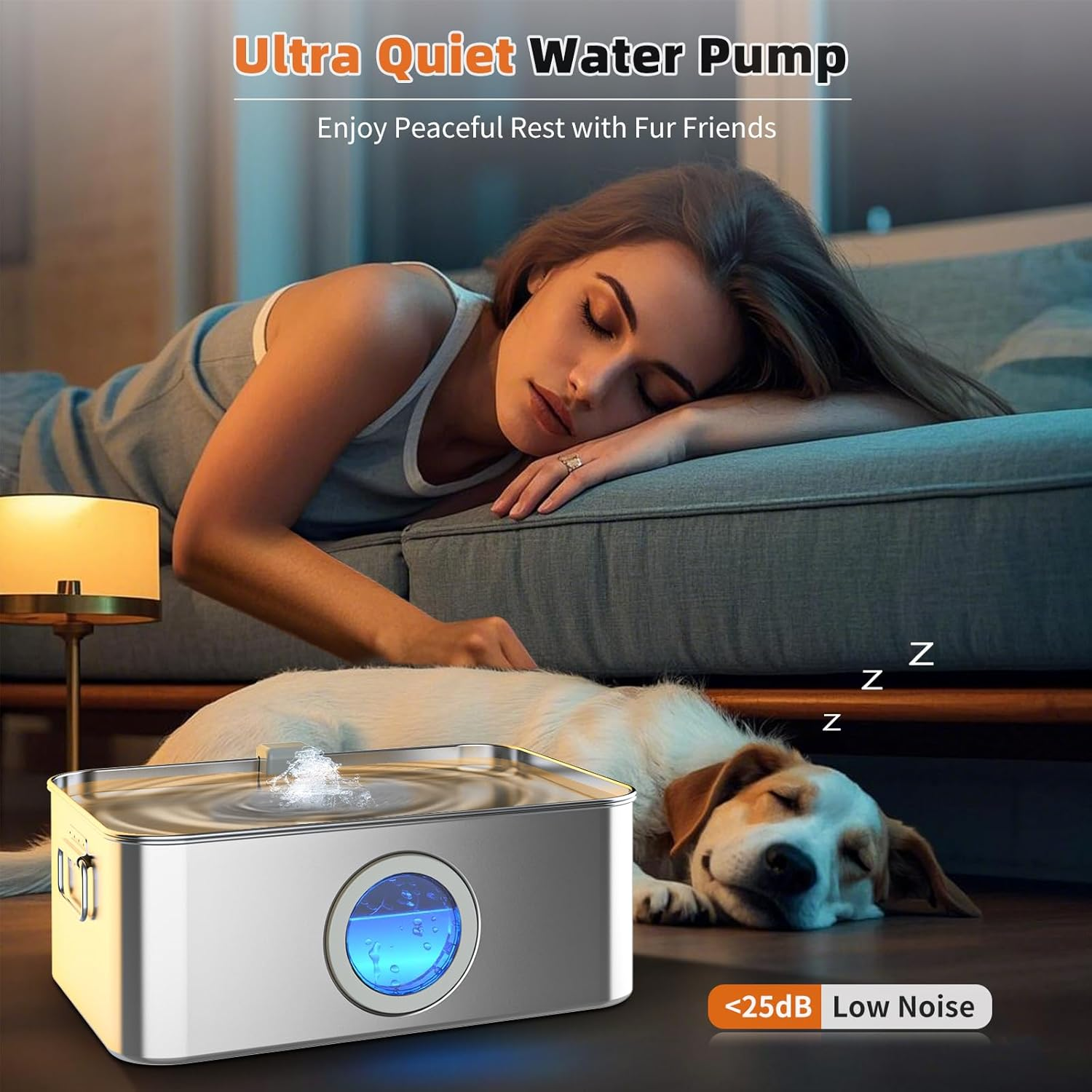
Quiet pump technology for peaceful home environments
Advanced sub-30 dB pump systems operate quieter than a refrigerator’s hum, ideal for apartments or noise-sensitive pets. Newer magnetic drive pumps use frictionless technology to eliminate disruptive vibrations, reducing stress for skittish animals while maintaining efficient circulation.
Adjustable flow settings and ergonomic design for whisker comfort
Customizable flow rates accommodate individual preferences—shallow streams for kittens, cascading falls for dogs. Wide, shallow basins with rounded edges prevent “whisker fatigue,” a common stressor in deep bowls. A 2023 veterinary survey noted 78% of cats drank longer when using ergonomically designed fountains.
Easy-to-clean components and dishwasher-safe parts
Dishwasher-safe stainless steel or ceramic surfaces resist bacterial biofilm buildup 3x better than plastic. Modular construction allows full disassembly into 4–6 pieces in under 10 seconds, enabling thorough cleaning without specialized tools.
Modular and user-friendly designs simplifying routine maintenance
Standardized components streamline upkeep across brands, with filter replacements and pump repairs taking less than 5 minutes. Key features include:
- Tool-free disassembly mechanisms
- Color-coded parts for intuitive reassembly
- Universal pump sizes compatible with 85% of fountain brands
This approach reduces monthly maintenance time by 40% compared to older models.
Frequently Asked Questions
Do pet water fountains require electricity to operate?
Yes, most pet water fountains need to be plugged into an electrical outlet to circulate water and keep it fresh.
How often should I clean my pet water fountain?
It's advisable to clean pet water fountains weekly and change filters according to the manufacturer's recommendations to ensure optimal water quality.
Are stainless steel fountains better than plastic options?
Stainless steel fountains are generally more durable and resistant to bacteria than plastic options, providing long-term cost benefits despite the higher initial cost.
How do I know which filter types are suitable for my fountain?
Check the manufacturer's instructions for compatible filter types to ensure proper hydration and maintenance of water quality in your specific model.
Table of Contents
- Encourages Consistent Hydration with Flowing Water Technology
- Ensures Clean, Fresh Water with Advanced Multi-Stage Filtration
- Supports Long-Term Urinary and Kidney Health Through Better Hydration
- Built for Safety and Durability with High-Quality, Non-Toxic Materials
- Designed for Owner Convenience: Capacity, Quiet Operation, and Easy Maintenance
- Frequently Asked Questions