EN
EN



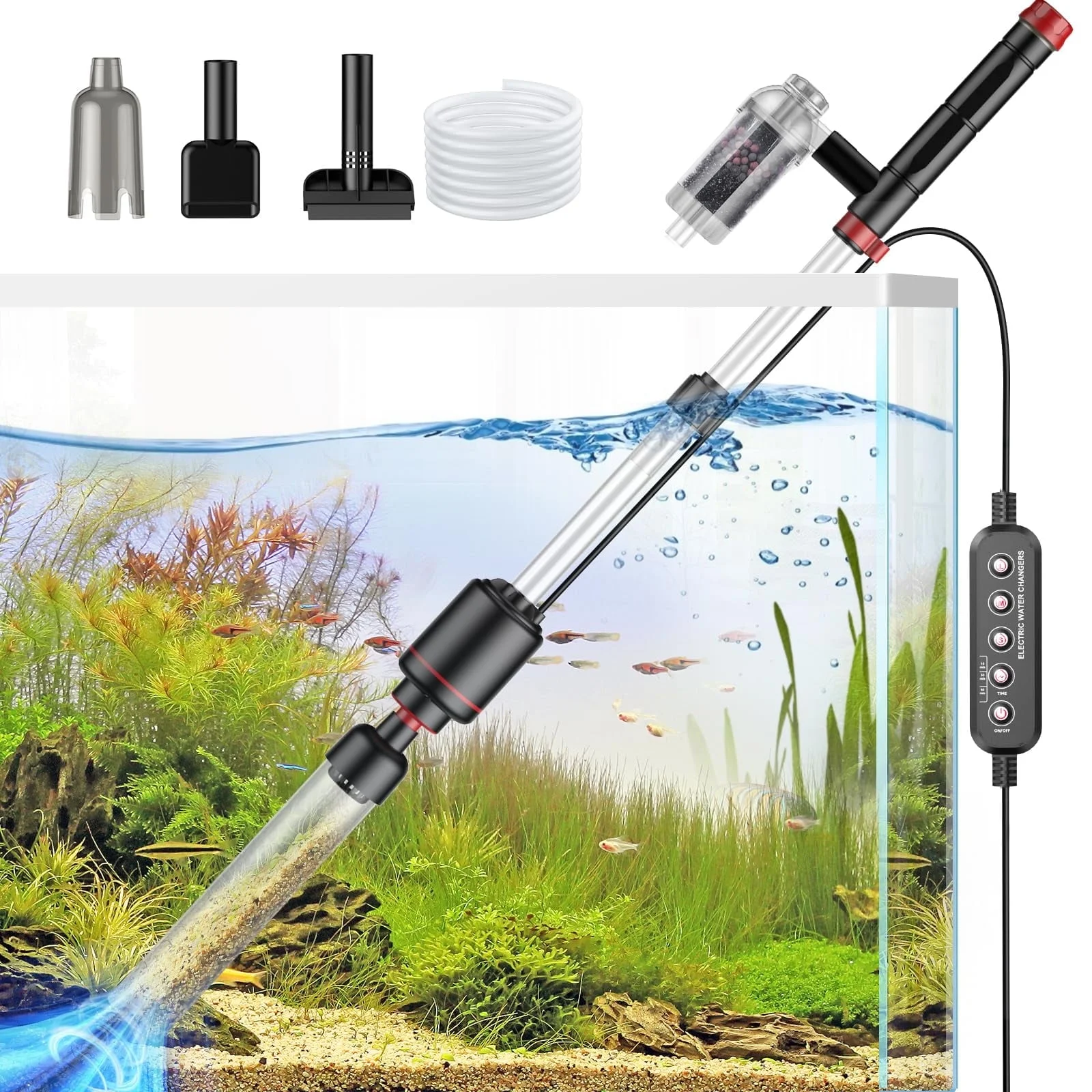
Why Gravel Vacuums Are the Core Aquarium Accessories Tool for Substrate Health
How Gravel Vacuums Prevent Waste Buildup and Maintain Water Quality
Gravel vacuums really come in handy for getting rid of all that organic stuff stuck in the substrate like fish poop, leftover food bits, and rotting plants. If we don't clean these things out regularly, they start breaking down into ammonia and nitrites which can seriously harm our fish and mess up the whole nitrogen cycle in the tank. When we vacuum on a regular basis, we pull out the sludge before it turns bad, keeping the water clear and stopping those nasty nitrate levels from spiking too high. The good news is gravel cleaning mainly focuses on stuff sitting at the top layer without disturbing the bacteria living deeper in the substrate. These little microbes work hard to convert ammonia into something safer for everyone in the tank. Most experts suggest doing a 25% water change once a week along with some gentle vacuuming around the gravel. This approach keeps those anaerobic pockets from developing down below where hydrogen sulfide gas might build up and actually kill our fish if left alone.
Siphon Physics Explained: Leveraging Gravity for Efficient Debris Removal
Gravel vacuums operate entirely on siphon physics—no pumps or electricity required. Flow begins with manual suction or a priming bulb; once established, gravity and pressure differentials sustain continuous action. Here's how it works:
| Physics Principle | Role in Gravel Cleaning | Outcome |
|---|---|---|
| Gravity | Pulls water downward into the drain hose | Creates continuous flow |
| Pressure Differential | Higher water pressure in tank vs. lower pressure in hose | Draws debris into the tube |
| Bernoulli's Effect | Faster fluid flow lowers pressure inside the vacuum tube | Lifts gravel gently, releasing trapped particles |
When water flows from the pressurized aquarium into the less pressured bucket, it creates currents that lift up bits of debris. The gravel gets tossed around inside the vacuum chamber, and through friction, dirt comes loose without damaging those helpful bacterial colonies. Afterward, the substrate usually settles down again pretty much as it was before. Light stuff like old food particles gets swept out, but the good bacteria stays put where it belongs. What makes this approach so great? No electricity needed at all. Works just fine whether someone has a small home tank or runs a commercial operation with multiple large systems.
Comparing Key Types of Aquarium Accessories Tools for Gravel Cleaning
Manual Siphons: Budget-Friendly, Precise, and Ideal for Small to Medium Tanks
The manual siphon works by using gravity to suck water through a basic tube and bucket setup, which makes it probably the cheapest way to clean gravel without spending any electricity. These work best in smaller tanks, around 40 gallons or less, where hobbyists can target specific areas of grime without messing up plants or killing good bacteria that lives in the substrate. Getting started does take some elbow grease though, usually involving pumping by hand or giving the tube a good shake until water starts flowing. But hey, these things typically cost less than twenty bucks so they're great for folks just getting into aquarium keeping or anyone watching their wallet. Just keep in mind that if there's stuff stuck deep down in the gravel, say more than three inches below the surface, especially in coarser materials, then expect to go over the same spot several times to get everything out properly.
Power-Driven Vacuums: Time-Saving Aquarium Accessories Tools for Large or Heavily Stocked Tanks
Battery powered vacuums take care of waste removal automatically through motorized suction, which can cut down on cleaning time anywhere from half to almost three quarters compared to doing it all by hand. They really work best for bigger setups, say anything over 50 gallons, or when there's lots of fish creating extra mess. Getting rid of debris quickly stops ammonia levels from spiking dangerously high. Some newer models come with their own debris collection area so no need to deal with buckets anymore. A few even have filters that recycle water, saving folks money when they need to change out the water. Prices range around 40 bucks up to maybe 120 dollars, but most people find them worth every penny if they run a big tank or don't want to spend hours cleaning. Just remember to position the motor unit safely away from any water splashing risk. The Aquarium Safety Council actually highlights this as one of their top safety tips for aquarists everywhere.
Using Aquarium Accessories Tools Correctly: Technique, Timing, and Bacterial Balance
Step-by-Step Gravel Cleaning Protocol to Preserve Beneficial Bacteria
Keeping gravel clean helps maintain the delicate ecosystem inside aquarium tanks. Start by switching off all heaters and filters first, then carefully insert the vacuum tube straight down into the gravel bed. Instead of pulling continuously, try quick bursts of suction to pick up waste without disturbing most of the gravel. Leaving around three quarters untouched is important because it protects those helpful bacteria that turn ammonia into something less harmful. Don't go overboard cleaning more than a third of the tank bottom each time, and remember to focus on different areas every week depending on how many fish live there. Stay away from digging too deep in the substrate though—the stuff below about an inch and a half houses good bacteria that actually helps reduce nitrates. Once done with vacuuming, top up any lost water using properly treated tap water that's close to the current tank temperature. Big temperature swings can kill off beneficial microbes and mess with the whole filtration system.
Avoiding Common Mistakes That Compromise Filter Efficiency or Stress Fish
Improper gravel cleaning can trigger cascading system failures. Top errors include:
- Synchronized cleaning: Servicing filters and substrate simultaneously starves beneficial bacteria, causing ammonia spikes. Always separate equipment maintenance by at least 48 hours.
- Deep substrate disruption: Aggressive vacuuming beyond 1.5 inches destroys anaerobic zones and risks releasing hydrogen sulfide.
- Overcleaning frequency: Removing biofilm more than twice monthly degrades biological filtration capacity—studies published in Aquaculture Environment Interactions link excessive cleaning to measurable nitrate increases.
- Temperature shocks: Adding cold replacement water stresses fish immunity—research shows a 40% rise in disease susceptibility under such conditions.
Fish display stress through clamped fins or rapid gill movement when vacuums operate near hiding spots. Keep the tool at least 6 inches from decor and never exceed 25% water removal per session.
Integrating Gravel Cleaning Into a Sustainable Aquarium Maintenance Routine
Getting the hang of gravel cleaning is key to keeping an aquarium running smoothly without stressing out the whole system. When doing partial water changes, grab a siphon and pull out around 10 to 15 percent of the water at the same time as vacuuming away all that gunk stuck in the substrate. This combo works wonders for getting rid of rotting bits and excess nitrates without messing up those good bacteria living deeper down. Most community tanks do just fine with cleaning every other week. That's often enough to stop ammonia problems before they start, yet still leaves the beneficial microbes intact. Try to schedule gravel cleanings when trimming plants or checking filters so everything gets done at once. But don't go overboard cleaning too much since this can actually hurt the microbial population. On the flip side, letting things get neglected leads to compacted dirt and sometimes even methane build-up. Aquarists who have been around the block a few times will tell anyone willing to listen that matching how often they vacuum with how many fish are in the tank cuts down on water troubles by roughly three quarters. Think of gravel vacuums as basic equipment for any serious hobbyist wanting clear water, steady chemical levels, and happy fish throughout the seasons.
FAQ Section
Why is regular vacuuming important for aquariums?
Regular vacuuming prevents waste buildup, ensuring water quality and health for fish by avoiding the conversion of waste into harmful ammonia and nitrites.
How do gravel vacuums work?
Gravel vacuums operate on siphon physics, utilizing gravity and pressure differentials to create a flow that removes debris from the substrate without disturbing beneficial bacteria.
What are the differences between manual and power-driven vacuums?
Manual siphons are budget-friendly and ideal for smaller tanks, while power-driven vacuums are time-saving tools suited for large or heavily stocked aquariums.
How often should I vacuum my aquarium?
Most community tanks should be cleaned every other week to prevent ammonia problems while preserving beneficial microbes in the substrate.
What are common mistakes to avoid during gravel cleaning?
Common mistakes include synchronized cleaning, deep substrate disruption, overcleaning, and temperature shocks, all of which can compromise system efficiency or stress fish.
Table of Contents
- Why Gravel Vacuums Are the Core Aquarium Accessories Tool for Substrate Health
- Comparing Key Types of Aquarium Accessories Tools for Gravel Cleaning
- Using Aquarium Accessories Tools Correctly: Technique, Timing, and Bacterial Balance
- Integrating Gravel Cleaning Into a Sustainable Aquarium Maintenance Routine
- FAQ Section