EN
EN



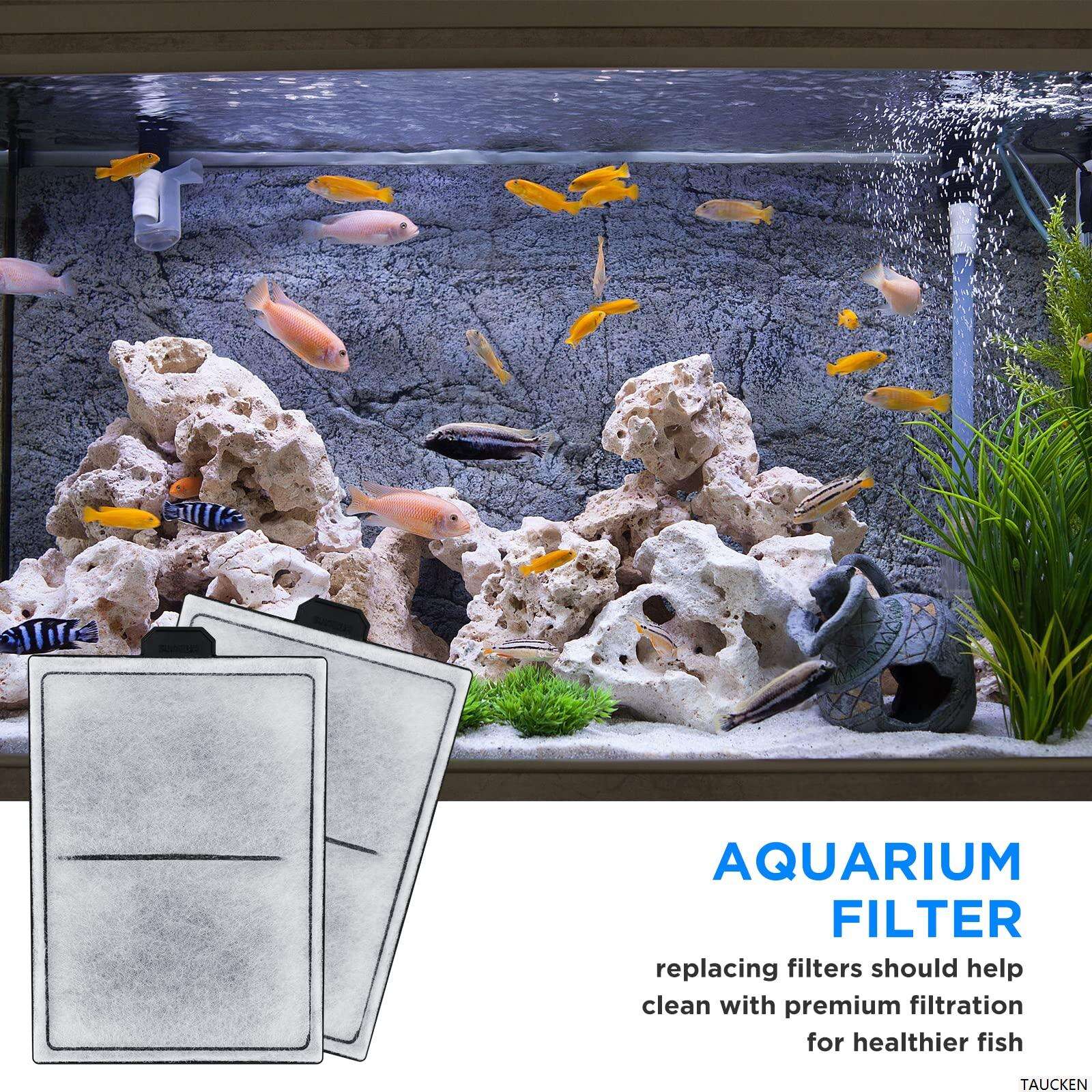
How Aquarium Filter Cartridges Target Ammonia: Chemical vs. Biological Mechanisms
Zeolite-Based Cartridges: Rapid Ion Exchange and Immediate Ammonia Binding
Aquarium filters made with zeolite work by grabbing ammonia molecules and locking them inside the material's tiny crystal pockets through what's called ion exchange. The stuff starts working pretty much right away after putting it in the tank, which is why many aquarists turn to zeolite when ammonia levels suddenly jump above safe limits, like during that first few weeks setting up a new tank or when someone accidentally feeds too much food. This differs from relying on beneficial bacteria since zeolite provides quick results without needing time for those helpful microbes to establish themselves in the system.
The thing about zeolite though, is that it has limits and reacts quite strongly to what's going on in the water chemistry. When water hardness goes over 8 dGH, the saturation happens much faster since calcium and magnesium ions compete for spots on the zeolite surface. And if the pH drops below 7.0, things get worse too. At lower pH levels, more ammonia stays in its gaseous form (NH3), something zeolite just isn't good at grabbing hold of. What makes matters even trickier? Once zeolite becomes fully saturated, it doesn't just stop working—it actually starts releasing the ammonia it previously captured right back into the tank water. This creates a serious sudden toxicity problem that can harm fish populations quickly. Some folks try regenerating their zeolite media by soaking it in saltwater, but be careful here. If they don't rinse thoroughly enough after regeneration, there's a risk of adding too much sodium to the system, typically around 50-80 ppm. Most experienced aquarium keepers find it safer to simply replace zeolite media every 3 to 4 weeks when dealing with moderately hard water conditions.
Bio-Activated Cartridges: Immobilized Nitrifying Bacteria for Sustainable Ammonia Conversion
Bio-activated cartridges support long-term ammonia control by housing colonies of nitrifying bacteria-primarily Nitrosomonas (which oxidizes NH‚ƒ/NHº to nitrite) and Nitrobacter (which converts nitrite to nitrate). This replicates the natural nitrogen cycle within the filter itself, eliminating reliance on consumable media and providing continuous, self-sustaining detoxification.
Performance depends on three key design factors:
- Surface area & porosity: High-porosity ceramic media (500-800 m²/L) provides vastly more colonization sites than foam or sponge-supporting up to five times more bacteria and accelerating ammonia conversion by ~40% compared to standard alternatives.
- Oxygen availability: Nitrification is aerobic; uninterrupted flow and surface agitation are essential to prevent hypoxic zones where bacteria decline.
- Colonization time: Full establishment takes 2-6 weeks. During this period, avoid cleaning with chlorinated water, antibiotics, or abrupt pH shifts (>0.5 units), all of which can collapse nascent colonies.
Once mature, these cartridges operate continuously-requiring no regeneration-and only fail when subjected to systemic stressors like medication dosing or extended power outages.
Critical Performance Factors for Ammonia-Reducing Aquarium Filter Cartridges
Media Surface Area, Porosity, and Flow Rate Impact on Nitrification Efficiency
The effectiveness of ammonia removal in biological filters really depends on three main factors: how much surface area there is, the material's porosity, and how water flows through the system. Media with lots of surface area works best, particularly ceramic materials designed to have around 300 to 500 square meters per liter. These high surface areas allow more bacteria to grow and enzymes to work their magic, which means ammonia gets broken down faster. Studies from aquaculture show pretty clearly that when they double the available surface area, the rate at which ammonia turns into nitrate goes up by about 40 percent. Of course this assumes everything else stays the same in the water conditions.
Surface area is important but not everything when it comes to filter performance. The pore size needs to strike a delicate balance between keeping biofilms attached and allowing water to flow through properly. Ideal pores typically measure somewhere between 0.3 and 1.0 mm. That's big enough so the filter doesn't get blocked too quickly but still small enough to hold onto those active bacteria colonies. What about flow rates? Well, they really affect how long water stays in contact with the media and how much oxygen gets delivered. If we push more than 200 liters per hour through the system, the water passes through too fast for complete nitrification to happen. On the flip side, anything below 100 liters per hour means there's not enough dissolved oxygen reaching the bacteria, which basically puts their metabolic processes on hold. Most operators find that running mid-sized filters at around 120 to 180 liters per hour works pretty well. It gives sufficient contact time while maintaining good aeration levels, though conditions can vary depending on specific applications.
pH, Hardness, and Regeneration Risks in Zeolite Cartridges
How well zeolites work depends heavily on what's in the water around them. Water chemistry isn't just something that affects performance it actually sets limits on how effective these materials can be. When the pH goes above 8.0, things change quite a bit. The balance moves towards gaseous ammonia (NH3), which doesn't have the right kind of charge needed for proper ion exchange. Research indicates that binding efficiency plummets somewhere between 30% to 60% when dealing with alkaline water that has low hardness levels. On the flip side, if there's too much hardness in the water over about 150 mg/L calcium ions start competing for space. These calcium ions basically take over the spots where ammonia would normally bind, cutting down the material's ability to capture ammonia by almost half. This makes understanding local water conditions absolutely critical for anyone working with zeolite systems.
Regeneration is possible from a technical standpoint, but comes with real world problems. When saltwater soaks through the media, it pushes out the ammonium and replaces it with sodium. The issue is that some sodium stays behind even after rinsing. According to studies in aquaculture journals, if the rinsing isn't thorough enough, sodium levels can climb to between 50 and 80 parts per million. This creates serious problems for fish that need low mineral content water, such as tetras and discus species. Another problem arises when zeolite becomes exhausted. It doesn't just quit working suddenly. Instead, it starts releasing all that stored ammonia back into the tank water. For this reason, most aquarium enthusiasts find that replacing the media regularly is actually safer and more reliable than trying to regenerate it.
When to Choose Which Aquarium Filter Cartridge for Ammonia Control
Your tank™s maturity, bioload stability, and water chemistry should guide cartridge selection-not marketing claims.
Choose zeolite-based cartridges when:
- You™re managing an acute ammonia crisis (e.g., >1.0 ppm post-cycling failure, transport stress, or medication-induced bacterial die-off).
- Your tap water is soft (<150 ppm CaCO‚ƒ) and pH is stable between 6.8-7.5.
- You need interim protection during livestock quarantine or hospital tank use.
Choose bio-activated cartridges when:
- Your tank is established (>6 weeks old) with consistent feeding and stocking.
- You prioritize long-term resilience over instant fixes-especially in community or planted tanks where nitrates are managed via plants or water changes.
- You aim to minimize maintenance interruptions and avoid chemical dependency.
Regardless of choice, always pair cartridges with mechanical pre-filtration (foam or floss) to extend lifespan and protect downstream media. Never replace all biological media at once-doing so removes 65-80% of active nitrifiers, triggering a mini-cycle and risking lethal ammonia spikes. Instead, rotate only one-third monthly.
Practical Tips for Maximizing Ammonia Reduction with Your Aquarium Filter Cartridge
Strategic Placement, Replacement Timing, and Synergy with Other Filtration Stages
Position your cartridge deliberately: place chemical (zeolite) media after mechanical filtration but before biological stages-this prevents clogging and ensures clean water contacts reactive surfaces. Place bio-activated cartridges downstream, where particulate load is lowest, shielding bacteria from abrasive debris and chlorine residuals that may bypass mechanical stages.
Replace media thoughtfully-not on a calendar, but based on function:
- Test ammonia weekly; sustained readings >0.25 ppm indicate declining efficiency.
- Replace zeolite every 3-4 weeks in average-hardness water-or sooner if hardness exceeds 150 ppm.
- Rotate bio-cartridges gradually: swap only …“ per month, allowing remaining colonies to repopulate new surfaces.
Integrate maintenance across filtration stages: clean mechanical media weekly (rinse in dechlorinated tank water only), rinse bio-media gently every 2-4 weeks only if flow is impeded, and never sterilize biological components. This layered, staggered approach improves system-wide ammonia processing stability and extends total cartridge service life by up to 40%.
FAQ
What is the main difference between zeolite and bio-activated filter cartridges?
Zeolite cartridges perform rapid ion exchange to capture ammonia immediately, while bio-activated cartridges use nitrifying bacteria for long-term, sustainable ammonia conversion.
How often should zeolite media be replaced?
Most experienced aquarium keepers replace zeolite media every 3 to 4 weeks in moderately hard water conditions.
How does water chemistry affect zeolite's performance?
Zeolite's effectiveness is reduced in water with a pH above 8.0 or hardness levels over 8 dGH, as these conditions can alter ion exchange efficiency.
Can zeolite media be regenerated?
Zeolite media can technically be regenerated, but improper regeneration may lead to excess sodium in the aquarium, which can harm some fish.
When should I choose bio-activated cartridges?
Bio-activated cartridges are suitable for established tanks with stable feeding and stocking, where long-term ammonia management is preferred.
Table of Contents
- How Aquarium Filter Cartridges Target Ammonia: Chemical vs. Biological Mechanisms
- Critical Performance Factors for Ammonia-Reducing Aquarium Filter Cartridges
- When to Choose Which Aquarium Filter Cartridge for Ammonia Control
- Practical Tips for Maximizing Ammonia Reduction with Your Aquarium Filter Cartridge
- FAQ