EN
EN



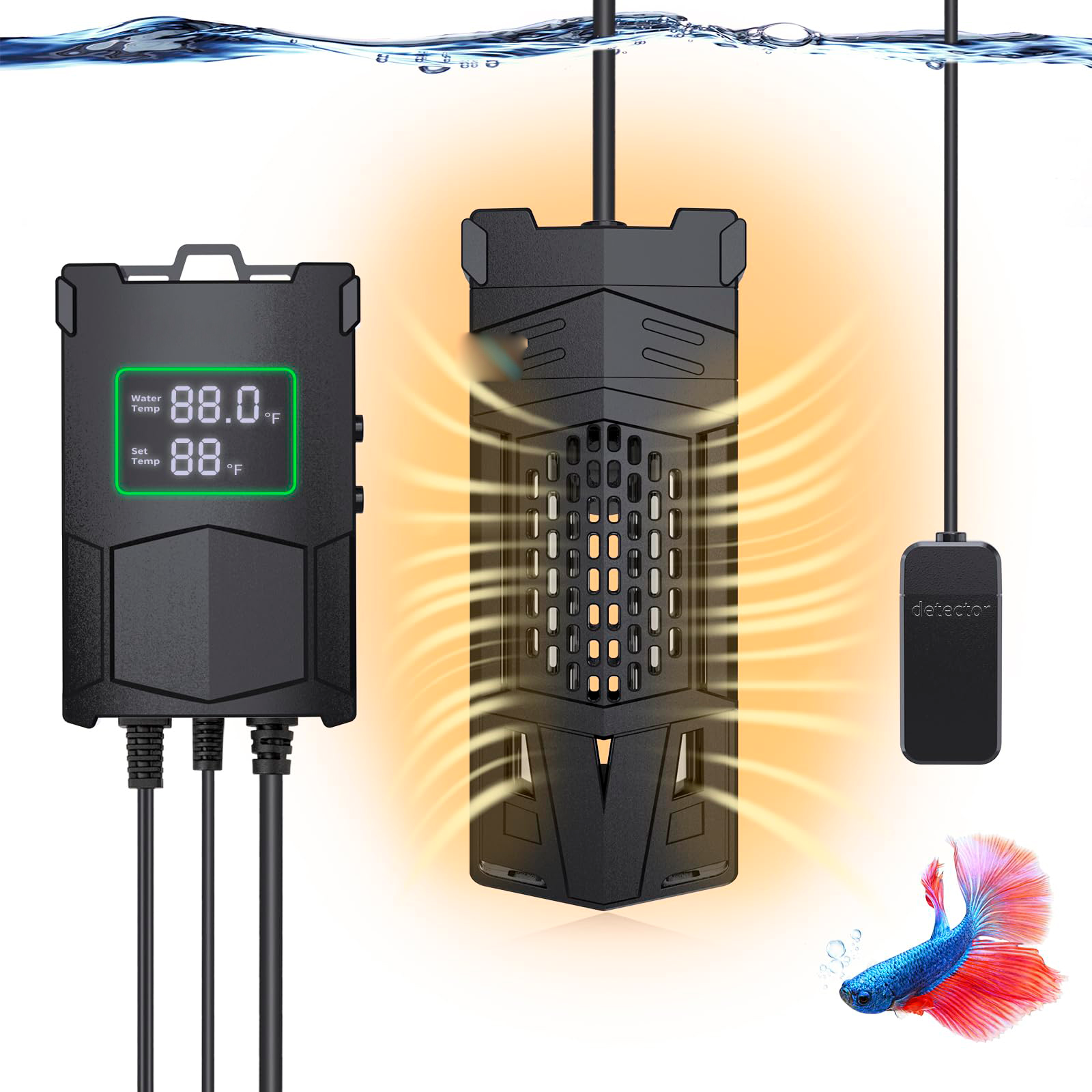
Match Heater Wattage to Tank Size and Environmental Conditions
Wattage Guidelines: Standard Watts-per-Gallon and Real-World Adjustments
Most folks start with the standard rule of thumb around 3 to 5 watts per gallon when setting up aquarium heating systems. Take a typical 10 gallon tank for instance it usually works pretty well with a heater somewhere between 30 and 50 watts. When dealing with bigger tanks over 50 gallons though, putting in multiple heaters makes sense. Place them strategically near where the filters discharge water helps get rid of those annoying cold pockets and keeps everything warm throughout the tank. Now if the room gets significantly colder than what we want in the water maybe more than 10 degrees Fahrenheit difference then bump up the total wattage by about a quarter to half. This compensates for all that heat escaping especially during winter months or in rooms that aren't properly insulated. Don't go crazy with one big powerful heater either. Spreading out the heating sources actually creates better stability and reduces risks. And remember to always grab heaters that come with proper thermostats not just simple on off switches. These calibrated controls save energy and protect our underwater friends from temperature swings.
Key Environmental Factors: Room Temperature, Insulation, and Stocking Density
The room temp plays a big role in aquarium maintenance. Try to keep the surrounding air no more than 5 to 10 degrees away from what you want in the tank water itself. When it gets chilly outside, heaters need to work harder to maintain warmth. On the flip side, when the room stays warm, maybe we can get away with a smaller heater. Insulating the tank makes a real difference here. Glass lids or good fitting covers help cut down heat escape by around 20% or so, which means less energy consumption and less stress on the heating equipment. The number of fish matters too, though not as much. A tank packed with active fish will produce some extra body heat, potentially reducing the heater workload a little bit. Still, don't count on this as a reliable method for keeping temperatures stable. Consistency is key, folks. Even small temperature swings beyond plus or minus 2 degrees Fahrenheit can mess with fish immunity and throw off those helpful nitrifying bacteria colonies. Always check with a separate thermometer that's been properly calibrated, not just whatever display comes built into the heater unit. Daily checks are worth the time invested.
Compare Aquarium Heater Types and Materials for Safety and Performance
Submersible, Hang-On, Inline, and Substrate Heaters: Best Uses and Limitations
Four heater configurations serve distinct roles in modern aquarium systems:
| Heater Type | Best Applications | Key Limitations |
|---|---|---|
| Submersible | Most freshwater and saltwater tanks (10–150+ gal); ideal for horizontal placement near filter returns | Requires visual concealment with hardscape or plants |
| Hang-On | Nano tanks (<10 gal) with limited space or open-top designs | Ineffective beyond 20 gallons due to poor circulation and surface-only heating |
| Inline | Canister-filtered systems where external heating is preferred | Dependent on consistent flow; fails if pump slows or clogs |
| Substrate | Planted tanks requiring gentle root-zone warmth | Non-adjustable once buried; difficult to service or reposition |
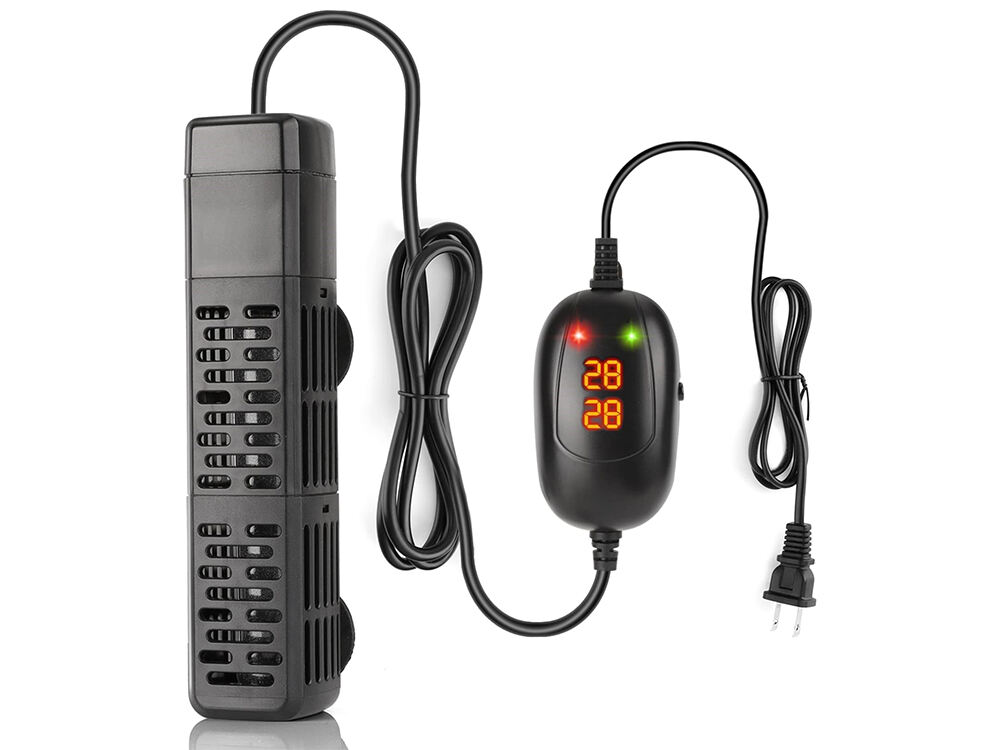
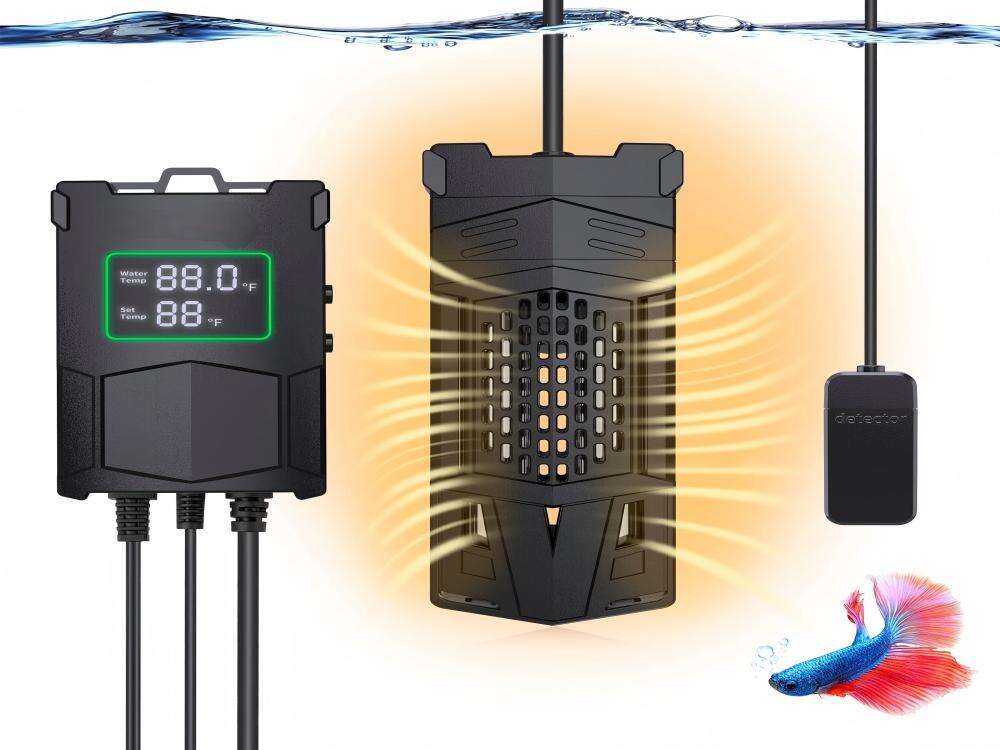
When it comes to heating aquariums, submersible heaters still stand out as the best choice overall for their flexibility, safety features, and how well they perform, particularly when connected to digital controllers that let users fine tune temperatures. The hang-on varieties work great for small tanks where keeping things simple matters most, though they don't really scale up well for larger systems. Inline heaters look nice in display tanks but create problems if they fail since there's only one spot where everything depends on working properly. Then there are substrate heaters that definitely help plants grow better, but they can't control the temperature throughout the entire tank water column and make cleaning and maintaining the substrate layer a real headache for hobbyists.
Titanium vs. Glass vs. Plastic: Corrosion Resistance, Durability, and Failure Risks
Material choice directly determines longevity, safety, and suitability for your system:
| Material | Corrosion Resistance | Durability | Common Failure Causes |
|---|---|---|---|
| Titanium | Fully saltwater-proof; inert in all aquarium conditions | Highly impact- and thermal-shock resistant | Rare–typically limited to electronic controller failure |
| Glass | Moderate (prone to etching in hard or saltwater) | Brittle; vulnerable to thermal shock and physical impact | Cracking during water changes, rock movement, or rapid temp shifts |
| Plastic | Freshwater-only; degrades in brackish/saltwater | Moderate heat resistance; prone to warping over time | Softening, clouding, or deformation after prolonged operation |
When it comes to saltwater tanks and reef setups, titanium heaters really stand out as top performers. They resist corrosion better than anything else on the market and won't crack under normal conditions, even though they do come with a steeper price tag at first glance. For freshwater hobbyists looking for something more budget friendly, borosilicate glass heaters work pretty well too. Just need to make sure they're properly secured in place and kept away from anything that might bump into them during maintenance. Plastic heater models? Those belong in short term projects or basic freshwater tanks only. Anyone running a serious aquarium with long term plans or dealing with saltwater should steer clear of plastic options since they just don't hold up over time.
Prioritize Essential Safety and Control Features in Aquarium Accessories Tools
Thermostat Accuracy, Overheat Protection, and Shatterproof Construction
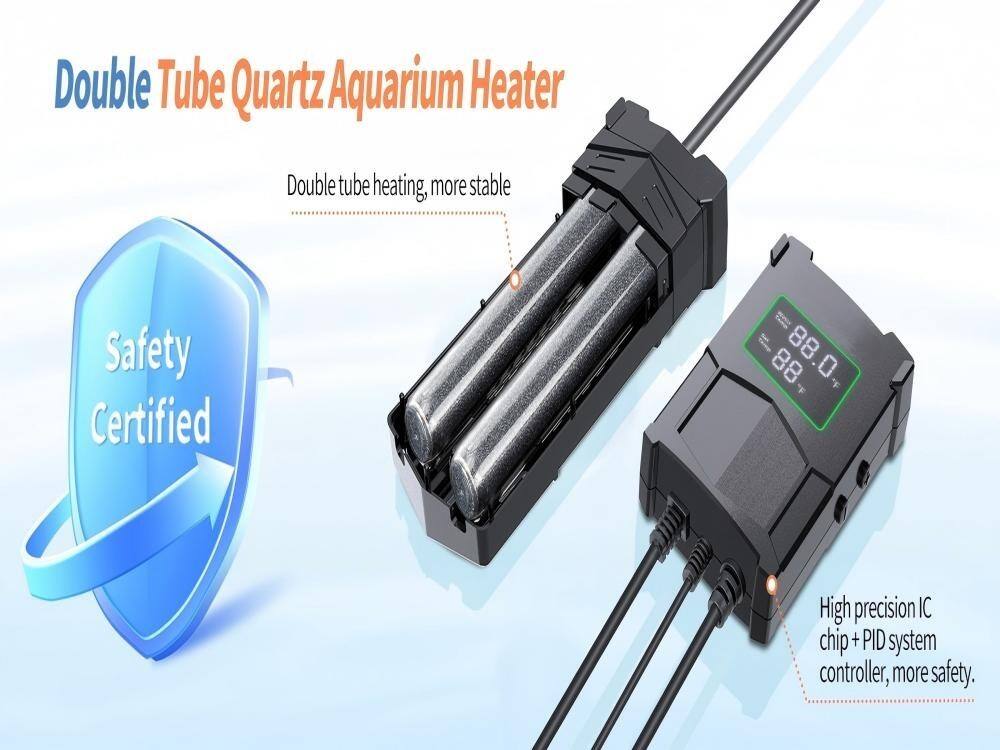
Getting the right thermostat accuracy really matters. When temperatures drift more than 1 degree Fahrenheit either way, fish start getting stressed out over time and bad bacteria tends to multiply faster. Look for heaters that come with sensors already set at the factory and sealed tight against moisture. Bonus points if they have two layers of heat control, like a main thermostat plus another mechanical backup system. Glass heaters are still pretty popular but borosilicate glass handles sudden temperature changes much better than regular glass does. Anyone keeping reef tanks or expensive setups should consider going with titanium or epoxy coated submersible heaters since these just won't break apart when things get hot. These aren't fancy extras worth splurging on; they're actually essential equipment for stopping those dangerous temperature jumps that can wipe out corals and mess up the whole tank ecosystem within hours.
Preventing Dry-Run Failures: Why 24/7 Operation Demands Fail-Safe Engineering
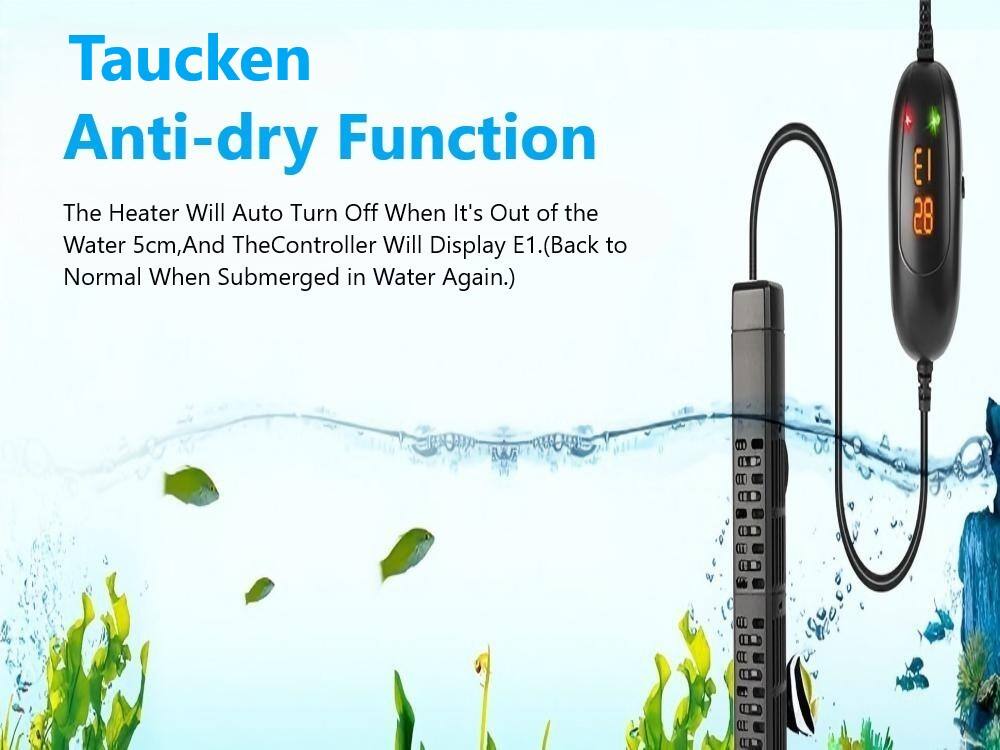
Aquarium heaters tend to stay on all the time, so dry run protection really matters for keeping them safe. When heater elements get exposed to air even just for a minute during routine maintenance tasks like changing water, dealing with evaporation spots, or using a siphon, problems happen fast. Glass parts can crack and plastic components start melting within two minutes flat. That's why top quality units come equipped with clever little sensors that detect when there's no water around, or floats that automatically shut off power before things go south. The best designs today are fully submersible with built-in systems that sense water displacement. These safety features do more than protect expensive gear they stop dangerous situations too like shocks from electricity leaks, glass shards floating through the tank, and harmful chemicals seeping into the water. All these risks can seriously harm fish and other aquatic life while compromising the whole ecosystem balance.
Select for Biological Stability and Long-Term Reliability
Stable temperatures matter way beyond just feeling comfortable in our tanks. When water temps swing more than 2 degrees Fahrenheit up or down, bad things happen fast. The good bacteria that help break down waste start struggling, fish get sick easier, and suddenly we're dealing with green water problems nobody wants. For saltwater setups specifically, switching to titanium heaters makes a huge difference. These models cut down on corrosion issues by around 78% compared to regular glass heaters, which means our ecosystems stay healthy longer. And let's talk about those cheap heaters without proper dry run protection. They cause about 92% of all avoidable breakdowns according to industry data, wiping out entire microbial communities and forcing us to reset everything from scratch. Look for equipment with backup thermostats, actual thermal safety features, not just flashy marketing words. Tanks built with quality materials need less tinkering over time, handle seasonal changes better, survive maintenance periods without drama, and even stand up against occasional accidents or mishaps that come with running any kind of aquatic environment.
FAQs
What wattage heater do I need for a 10-gallon tank?
For a 10-gallon tank, a heater with a wattage of 30 to 50 watts is usually recommended.
Why should I use multiple heaters for larger tanks?
Using multiple heaters for larger tanks helps distribute heat evenly, reducing cold pockets and providing better temperature stability.
Are titanium heaters better for saltwater tanks?
Yes, titanium heaters are generally more corrosion-resistant and durable, making them an excellent choice for saltwater and reef tanks.
What's the difference between submersible and hang-on heaters?
Submersible heaters can be fully submerged and offer better flexibility and temperature control, whereas hang-on heaters are suited for smaller tanks with limited space.
How important is dry-run protection for aquarium heaters?
Dry-run protection is crucial as it prevents heaters from operating without water, reducing the risk of damage and maintaining safety.