EN
EN



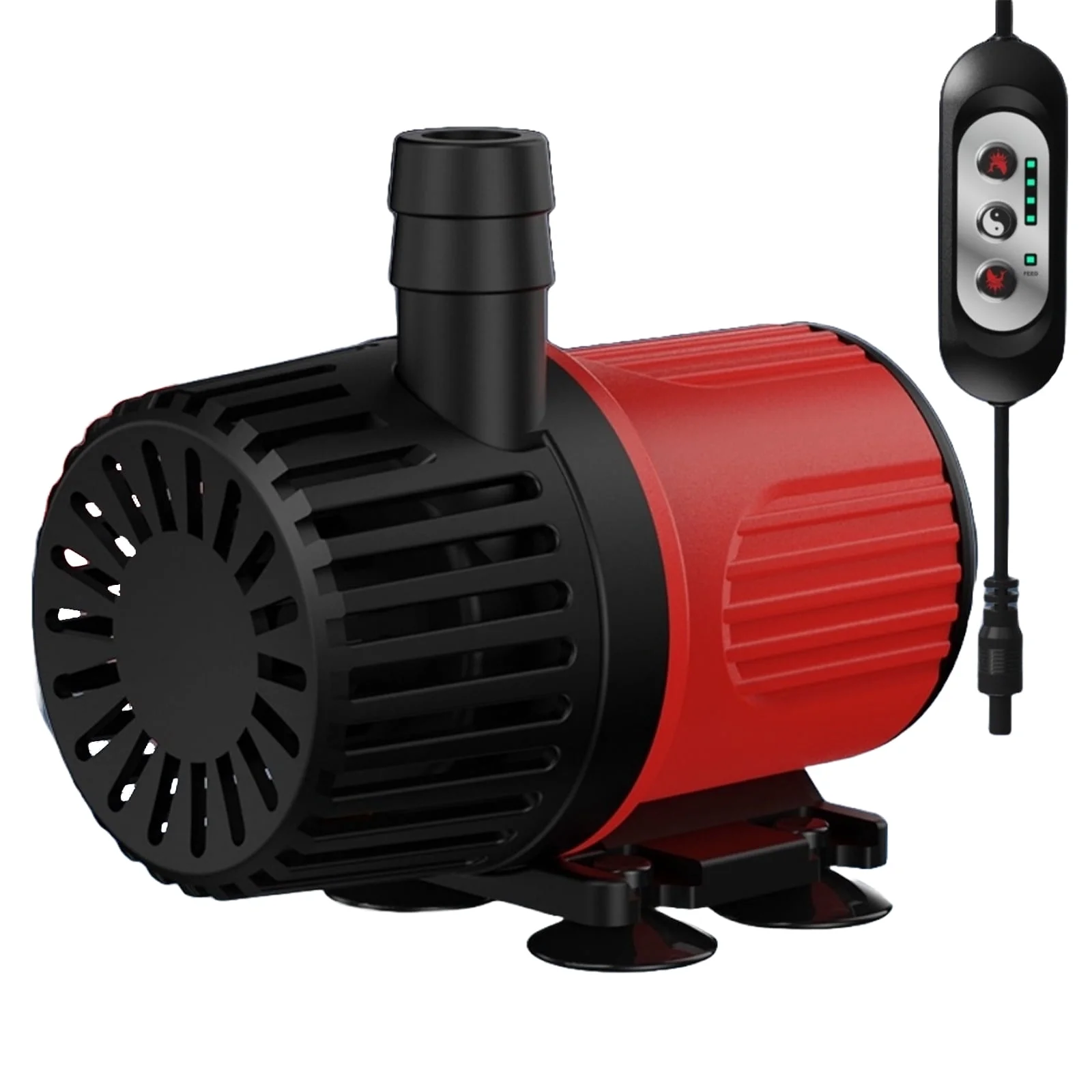
Core Technical Specifications: Flow Rate, Head Height, and Wattage
Why Flow Rate (GPH/LPH) Is the Most Critical Water Pump Metric for Aquariums
When it comes to aquarium water pumps, flow rate measured in gallons or liters per hour (GPH/LPH) stands out as probably the most important spec to consider. The amount of water moving through the system affects how often water gets turned over, which impacts filtration effectiveness, oxygen levels, and how well debris gets removed mechanically. If there's not enough flow, certain areas can become stagnant spots where dirt builds up and oxygen runs low. On the flip side, when flow is too strong, delicate fish and plants suffer stress, their feeding habits get disrupted, and plant roots might struggle to establish properly. Most experts agree on this stuff, as seen in guidelines published by groups like the Aquatic Gardeners Association back in 2022 and also mentioned in Reef Builders' latest equipment benchmark report.
- Freshwater community tanks: 4-6• total volume per hour
- Planted aquascapes: 2-3• (to protect delicate stems and optimize CO‚ diffusion)
- Soft coral reefs: 10-20•
- SPS-dominated systems: 30-50•
The specific requirements of different species really matter when setting target flow rates. Bettas need something around 5 gallons per hour at most, since their delicate fins get tired easily and they don't handle strong currents well. For goldfish and shrimp tanks though, a moderate flow between 5 to 8 times the tank volume works best. It keeps things oxygenated without disturbing the substrate too much. Looking at real world data helps put this into perspective. A recent study tracking over 1,200 aquarium problems showed that almost three quarters happened because water movement wasn't right for the inhabitants. Most often, this led to ammonia issues where parts of the tank became stagnant, or fish just wore themselves out trying to cope with bad conditions day after day.
Understanding Head Height vs. Actual Flow: How Plumbing Resistance Affects Your Water Pump Performance
The term head height refers basically to how high a pump can actually push water vertically, but people tend to confuse this specification with what happens in real life situations. When we look at actual operation though, the flow rate really plummets when there's resistance from the plumbing system itself. Think about all those bends, valves, and sections of small diameter tubing - they all create friction losses that nobody accounts for properly. A good general idea is that each right angle bend will typically knock down the flow somewhere between 1% and 2%. And if someone tries to run a big 300 gallons per hour pump through half inch inner diameter tubing, they'll probably end up losing around 40% of their expected output. For anyone trying to figure out what kind of performance they can realistically expect from their setup, there's an adjusted calculation method worth considering here.
Adjusted Flow = Max Flow — (1 - Resistance Factor)
Take this scenario as an example: A pump advertised for 500 gallons per hour at 3 feet head pressure might actually produce around 375 GPH once it's connected with four bends and six feet worth of half inch tubing. Manufacturers list these specs based on perfect lab environments, not what happens inside real tanks with all sorts of obstacles. That's why getting a proper flow meter remains essential if anyone wants accurate results. Most folks end up disappointed because they trust those printed numbers without considering how their particular setup creates resistance. This oversight explains why so many filtration systems fail to perform adequately in setups where water moves through at moderate to high speeds.
Matching the Water Pump to Your Aquarium Type and Bioload
Recommended Flow Turnover Rates by Tank Size and Setup (Freshwater, Planted, Reef)
The turnover rate, which basically means how many times all the water in your tank passes through the filter system each hour, is really what determines the right size pump for most aquarium setups. Tank size definitely plays a role, but what's even more important are factors like how many animals live there and what kind of plants or corals are being kept. Take a 40 gallon planted tank with just a few small fish as an example. That might only require around 80 to 120 gallons per hour from the pump, maybe 2 or 3 times the total volume. But put that same 40 gallon space into a reef tank loaded with lots of food for LPS and SPS corals, and suddenly we're talking about needing between 1,200 and 2,000 GPH, sometimes as high as 30 to 50 times the tank capacity. When there's a heavy biological load from big fish, regular feeding schedules, or diets packed with proteins, experienced hobbyists often bump up their flow rates by about 20 to 25 percent beyond standard guidelines. This helps maintain proper chemical balances in the water and keeps those pesky nitrates from getting too high.
Livestock Considerations: Low-Flow Needs for Betta Tanks vs. High-Performance Water Pump Requirements for SPS Corals
What kind of water movement different animals need depends more on their biology than how big the tank is. Take bettas for instance these fish have this special breathing structure called a labyrinth organ which lets them survive in stagnant water. Most bettas do best when there's almost no current at all maybe something around 5 gallons per hour max. Get those adjustable nozzles and outlets that spread out the water flow so it doesn't blast right at them. On the flip side, SPS corals need all sorts of turbulence going on in their tanks. They require constant water movement to keep their surfaces clean from muck, bring food particles to them, and stop dirt from settling down. Just having a pump with high gallons per hour isn't enough either. Look for pumps where you can control the speed and pattern of the water movement wave settings, pulsing modes, or even random ones work better than just cranking up the power. For shrimp tanks and dwarf cichlids somewhere between 5 and 8 times the tank volume in water circulation seems about right. This gives enough oxygen without messing up the gravel or stressing out tiny gills. When setting up any system with strong pumps, always remember to attach diffusers or manifold returns. These help spread out the water force across the whole tank instead of creating dead spots or areas where everything gets slammed.
Reliability and Safety Features Every Aquarium Water Pump Must Have
Thermal Overload Protection, IP68 Rating, and Silent Operation for 24/7 Aquarium Use
What makes quality aquarium pumps different from cheap throwaway ones? Let's look at three key safety elements. First, thermal overload protection is required in pumps certified under UL 1081 standards. When internal temps hit around 90 degrees Celsius, this feature shuts down power automatically. That stops insulation from breaking down and prevents fires when debris blocks normal airflow inside the pump housing. Second, pumps with an IP68 rating according to IEC 60529 standards can handle being completely submerged underwater for extended periods. They work reliably even at depths up to three meters deep, resisting damage from saltwater exposure, sand accumulation, and stubborn biofilms that grow on equipment surfaces over time. Many cheaper pumps start failing after just one year or so due to corrosion issues in saltwater environments. Lastly, good pumps operate very quietly, typically below 40 decibels measured one meter away. The reduced noise means less vibration gets transferred through glass tanks and wooden stands, which helps keep delicate creatures like cherry shrimp calm and stress-free while also keeping aquariums from becoming annoying background noise in homes. Pumps with all these features tend to last much longer too, cutting unexpected breakdowns by roughly two thirds and lasting anywhere between two to three extra years beyond what uncertified alternatives manage.
Installation, Maintenance, and Troubleshooting Your Submersible Water Pump
Correct Placement, Priming, Cleaning Intervals, and Early Warning Signs of Water Pump Failure
The best spot for a pump starts right at the bottom of the tank. Place it completely underwater but lift it about an inch or two above whatever material covers the tank floor. Use either suction cups or small stands to achieve this height. This setup helps avoid problems where mulm or sand gets sucked into the pump and blocks the intake. Make sure those inlet screens stay clear and don't let the outlet tubing get bent or twisted. Most newer DC submersible pumps will start moving water on their own after turning them on, but check if water flows consistently within around 30 seconds. If there's a delay, chances are good there's either air trapped inside or something stuck in the impeller area. When it comes time for regular maintenance, give those intake screens and impellers a good cleaning once a month with just a soft brush and maybe a quick soak in aquarium safe vinegar solution to tackle calcium deposits. Tanks with lots of fish or those in areas with hard water might need checking every other week instead. Watch out for signs things are going wrong: constant humming usually means something is blocking the impeller, odd pulses often point to issues with the motor capacitor, lower water flow even when everything looks clean could signal worn bearings, and if the pump housing feels more than ten degrees warmer than the surrounding water, that's a sign of overheating stress. Deal with any of these problems within two days at most. Waiting too long can lead to bigger issues down the road like sudden drops in pH levels or dangerously low oxygen content in the water.
FAQ Section
What is the importance of flow rate in aquarium water pumps?
The flow rate, measured in gallons or liters per hour (GPH/LPH), is crucial as it affects water turnover, filtration effectiveness, oxygen levels, and debris removal. Insufficient flow can lead to stagnant spots and low oxygen, while excessive flow can stress aquatic life.
How does head height affect water pump performance?
Head height indicates how high a pump can push water vertically. However, plumbing resistance can significantly reduce actual flow rates. Each bend or narrow diameter tube in the plumbing system can lower flow due to friction losses.
What are the recommended flow turnover rates for different aquarium setups?
The recommended turnover rates vary by aquarium type. Freshwater community tanks might need 4-6 times the total volume per hour, while planted aquascapes need 2-3 times, and SPS-dominated systems can require 30-50 times.
What safety features are essential for aquarium water pumps?
Important safety features include thermal overload protection, IP68 rating for submersion, and silent operation. These enhance reliability, prevent overheating, protect from water exposure, and reduce noise-induced stress for aquatic life.
How can I maintain and troubleshoot an aquarium water pump?
Proper placement, regular cleaning, and attentive monitoring can help maintain a pump. Typical issues include blockages, overheating, or reduced flow. These require quick resolutions to prevent larger problems.
Table of Contents
- Core Technical Specifications: Flow Rate, Head Height, and Wattage
- Reliability and Safety Features Every Aquarium Water Pump Must Have
- Installation, Maintenance, and Troubleshooting Your Submersible Water Pump
-
FAQ Section
- What is the importance of flow rate in aquarium water pumps?
- How does head height affect water pump performance?
- What are the recommended flow turnover rates for different aquarium setups?
- What safety features are essential for aquarium water pumps?
- How can I maintain and troubleshoot an aquarium water pump?