EN
EN



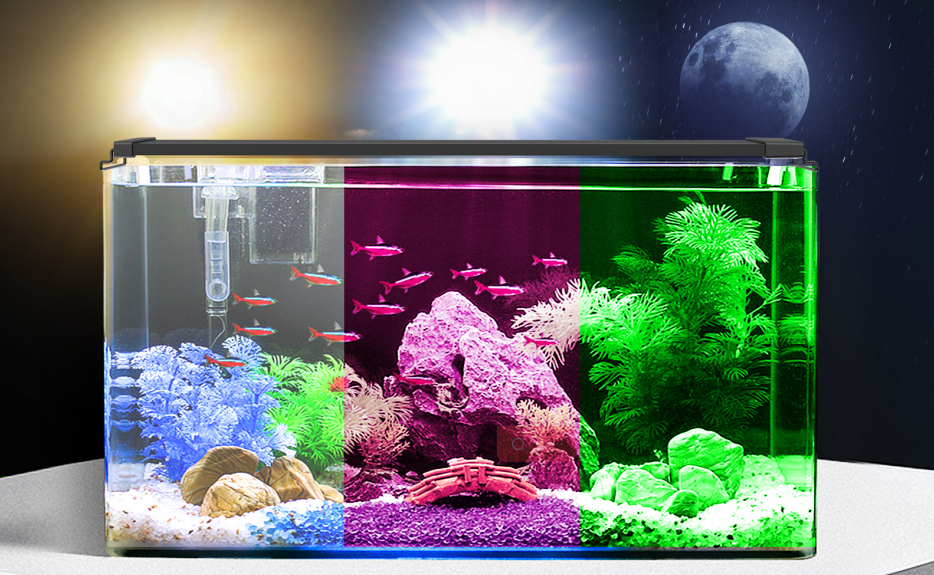
Filtration System: The Foundation of Healthy Aquariums Accessories
A robust filtration system prevents toxic buildup while supporting aquatic life by combining biological, mechanical, and chemical filtration.
- Biological filtration cultivates nitrifying bacteria that convert ammonia into less harmful nitrates—processing up to 4 ppm daily, according to 2023 aquatic studies.
- Mechanical filtration traps debris like uneaten food and plant matter.
- Chemical filtration uses activated carbon or resins to absorb dissolved toxins.
Best Filters for Beginners: Sponge, Hang-On-Back, and Canister Options
New aquarists should prioritize reliability and ease of maintenance:
- Sponge filters: Ideal for tanks under 20 gallons, offering gentle flow suitable for shrimp or fry.
- Hang-on-back (HOB) filters: Effective for 10–50 gallon tanks, integrating mechanical and biological media in one unit.
- Canister filters: Best for 50+ gallon setups, featuring high capacity and adjustable flow rates.
Choosing the Right Filter Based on Tank Size and Fish Type
Match filtration capacity to your aquarium’s bioload and inhabitants:
- High-waste species like cichlids need filters rated for tanks 20% larger than actual volume.
- Planted tanks benefit from canister filters with inline CO₂ injection ports.
- Nano tanks under 10 gallons perform best with air-driven sponge filters, which avoid overwhelming small fish with strong currents.
Heater and Temperature Control for Stable Aquarium Conditions
Maintaining consistent water temperatures is critical for tropical species, as fluctuations of just 2–3°F can suppress immunity and increase disease risk in fish like tetras and angelfish. Biological functions such as metabolism and oxygen absorption slow in unstable environments, raising the likelihood of "cold shock" or bacterial outbreaks.
Why Tropical Fish Need Consistent Water Temperatures
Most tropical fish come from areas with pretty consistent weather patterns, so keeping water temps between around 75 and 82 degrees Fahrenheit (or 24 to 28 Celsius) is really important for their well being. Some species have specific needs though. Discus fish actually do best when the water stays near 84 degrees, but if it drops below 80 they start getting gill problems. Bettas are tougher customers and can handle brief drops as low as 72 degrees without too much trouble. Recent research published in 2023 showed something interesting too. Tanks where temperature stayed within about one degree Fahrenheit each day saw a massive drop in neon tetra deaths - roughly 37% fewer than those with wild temperature swings. That's a big deal for anyone trying to maintain healthy fish populations at home.
Using Heaters and Thermometers for Accurate Climate Management
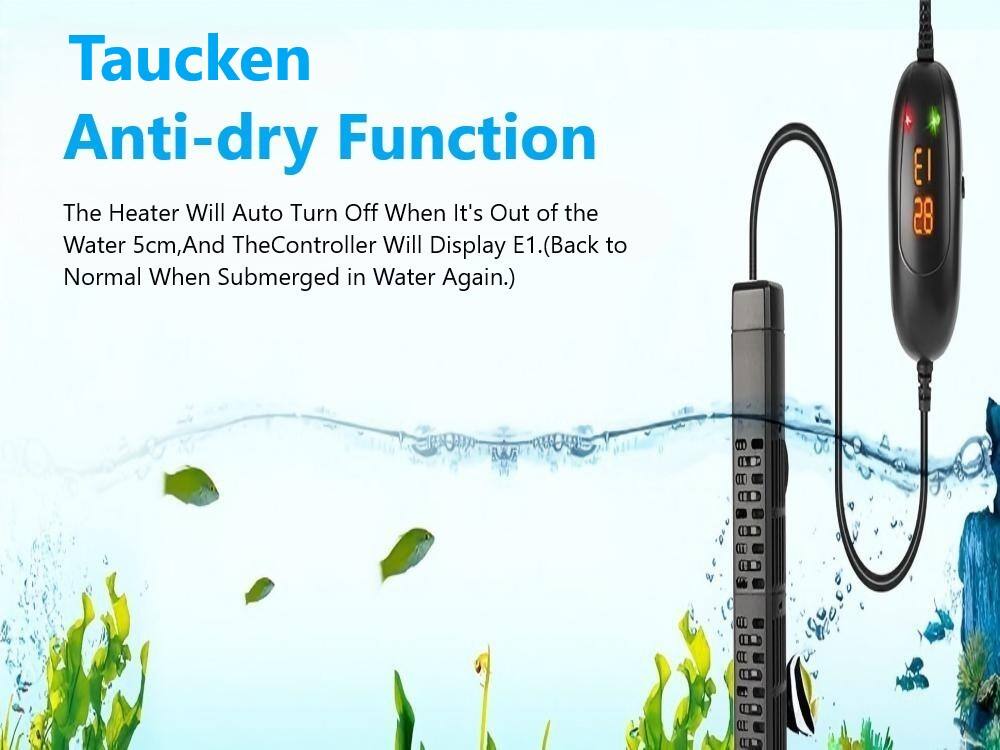
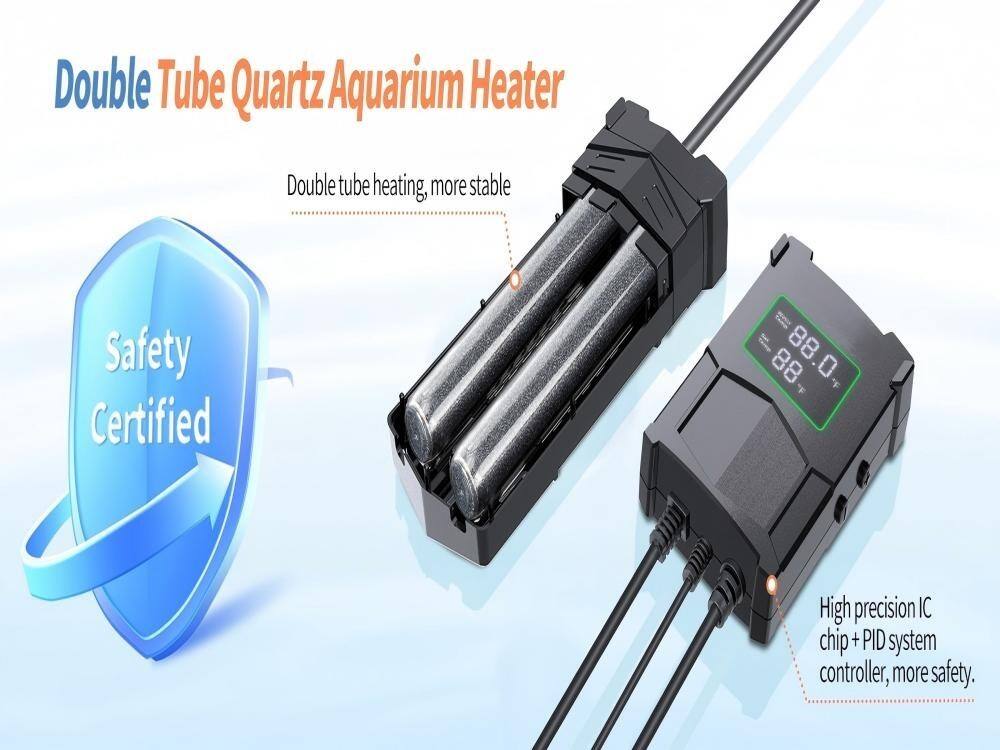
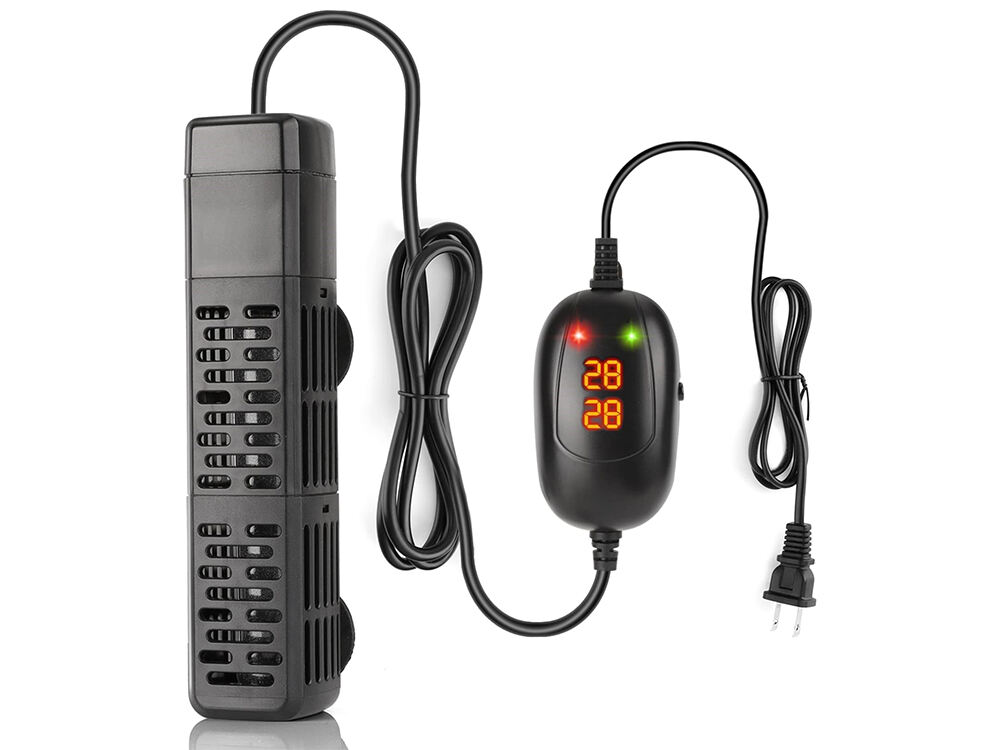
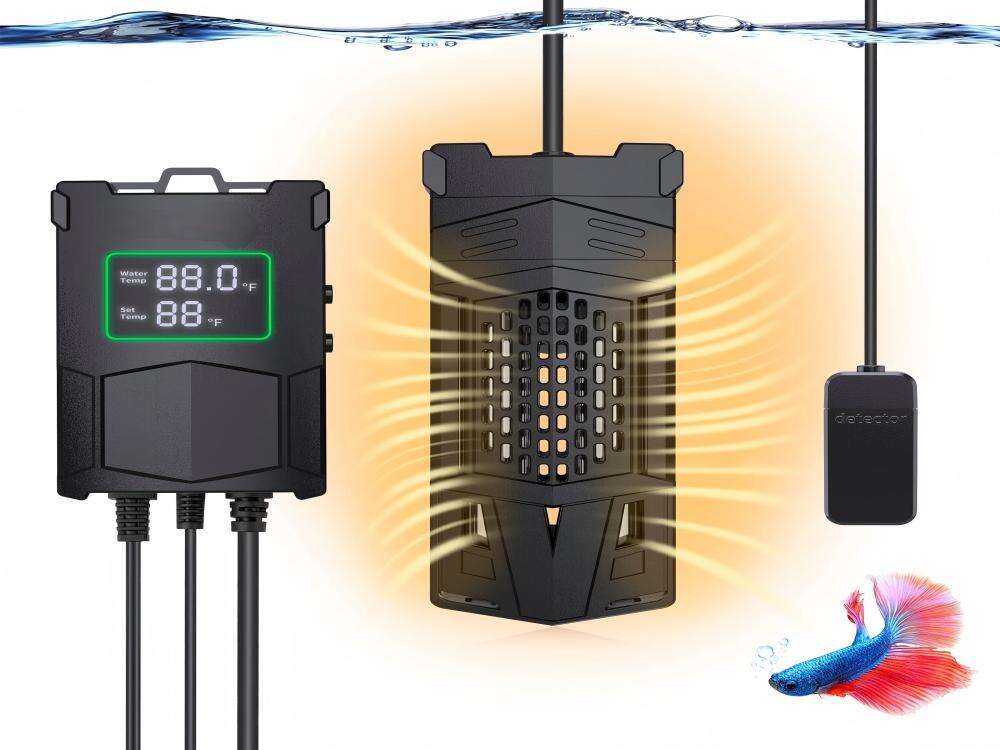
When it comes to heating aquariums, submersible units with adjustable thermostats give tank owners much better control over water temperatures compared to other options. For smaller setups below 20 gallons, hang-on-back models tend to perform just fine most of the time. To get good results across the whole tank, many aquarists find it helpful to install digital probe thermometers on the opposite side from where they've placed their heater. This helps catch any hot spots that might develop. As for power ratings, look for heaters in the range of 3 to 5 watts per gallon capacity. And watch out for those decorative rocks or plants sitting too close to the heater since they can sometimes create localized heating areas that mess with water circulation patterns.
Proper Heater Placement and Safety Tips
| Factor | Guideline |
|---|---|
| Heater position | Horizontal near filter outflow |
| Thermometer spots | Front, middle, and back zones |
| Safety check | Unplug during water changes |
| Burn prevention | Use silicone guards for exposed elements |
Always choose UL-certified heaters with automatic shutoffs, and never submerge non-waterproof controllers. Weekly equipment checks help detect malfunctions early, preventing harm to aquatic life.
Water Conditioner and Dechlorination: Protecting Fish from Tap Water Toxins
No aquarium setup is complete without addressing tap water safety. Municipal supplies contain chlorine (0.5–3 ppm) and chloramines—both toxic to fish and lethal to beneficial bacteria. Chlorine damages gill tissues and strips protective slime coats, while chloramines persist longer and release ammonia upon breakdown.
The Dangers of Chlorine and Chloramines in Municipal Water
Even at concentrations above 0.2 ppm, chlorine becomes hazardous to fish. Chloramines pose a greater challenge due to their stability and dual toxicity (chlorine + ammonia), requiring specialized treatment to neutralize both components effectively.
How Water Conditioners Safely Neutralize Harmful Chemicals
Quality conditioners use sodium thiosulfate to neutralize chlorine and break down chloramines, simultaneously detoxifying the released ammonia. Advanced formulas also bind heavy metals like copper and zinc leaching from plumbing. For reef tanks, opt for conditioners that preserve essential minerals while removing contaminants.
Top-Rated Water Conditioners and Proper Dosage Guidelines
Leading brands offer concentrated solutions requiring just 1 mL per 10 gallons. Always dose based on total tank volume—not partial changes—and use a syringe for precision. Overdosing can reduce oxygen levels, so follow label instructions carefully. In areas with chloramine-heavy water, select dual-action formulas for enhanced detoxification.
Test Kits for Water Quality: Monitoring Ammonia, Nitrite, and pH Levels
Stable aquarium conditions depend on regular testing, as invisible threats like ammonia spikes or pH crashes can rapidly destabilize an ecosystem.
Understanding the Nitrogen Cycle and Preventing 'New Tank Syndrome'
The nitrogen cycle relies on beneficial bacteria converting toxic ammonia into nitrite, then into less harmful nitrates. However, 63% of new aquarium failures stem from "new tank syndrome," where bacterial colonies haven't yet established. Testing every 3 days during the initial 4–6 weeks allows early detection of dangerous compound buildup.
Liquid Test Kits vs. Digital Meters: Accuracy and Usability Compared
The old fashioned liquid test kits work by mixing samples with special chemicals and then comparing colors against charts. They give pretty good results for around fifteen to thirty bucks, though folks need to be somewhat careful when using them. Still, these kits tend to be the gold standard for regular testing needs. Digital meters are faster, giving readings within plus or minus 0.02 on the pH scale and storing all that data too. But let's face it, they cost anywhere from three to five times what liquid kits do and need constant recalibration which gets annoying after a while. Most people who tinker around with this stuff find that liquid test kits strike just the right chord between what they can afford and how dependable they need their measurements to be.
Creating a Weekly Testing Schedule for Long-Term Aquarium Health
Establish a consistent routine:
- Test ammonia and nitrite every 3 days during cycling
- Monitor pH and nitrate weekly after cycling completes
- Record results to identify trends and seasonal shifts
Regular testing enables timely interventions such as water changes or bacterial supplements. For efficient tracking, consider multiparameter tools endorsed by urban farming experts that simplify monitoring without sacrificing accuracy.
Essential Tools, Substrate, and Lighting for a Balanced Aquarium Ecosystem
A thriving aquarium depends on three interconnected elements: functional substrate, appropriate lighting, and reliable maintenance tools. Together, these form the foundation of a balanced aquatic environment and are essential accessories for all skill levels.
Substrate Choices That Support Plant Growth and Beneficial Bacteria
Substrate serves as the foundation where beneficial bacteria take hold, specifically those nitrifying types that help process waste materials in the system. Volcanic gravel with grains between 2 to 5 mm works best because it gives plenty of space for these microbes to colonize. For planted areas, substrates rich in nutrients gradually give off iron and potassium which plants need for strong roots. A layer of fine sand around 1.5 to 2 inches thick is good for fish that hang out near the bottom. This setup looks like real riverbeds but doesn't get clogged with too much dirt and stuff floating down from above.
Aquarium Lighting: Spectrum and Duration for Planted Tanks
LED systems with a 4500–6500K color temperature replicate natural tropical daylight, promoting photosynthesis in live plants. Limiting light to 8–10 hours daily via programmable timers reduces algae growth by 62%, according to recent research. For heavily planted tanks, choose fixtures delivering 30–50 lumens per liter with dimmable settings to match plant needs.
Must-Have Maintenance Tools: Siphons, Algae Scrubbers, and Fishnets
- Battery-powered gravel vacuums: Efficiently remove detritus during weekly 25% water changes
- Dual-sided magnetic cleaners: Maintain glass clarity between full cleanings
- Round-edge fishnets: Reduce physical stress and scale damage during transfers
Used together, these tools prevent nutrient accumulation and minimize stress, completing the core trio needed for long-term aquarium stability.
FAQ
What types of filtration are necessary for a healthy aquarium?
A healthy aquarium requires biological, mechanical, and chemical filtration. Biological filtration involves nitrifying bacteria converting ammonia to nitrates. Mechanical filtration traps debris, and chemical filtration absorbs toxins using activated carbon or resins.
How can I maintain stable temperatures in my aquarium?
To maintain stable temperatures, use submersible heaters with adjustable thermostats. For smaller tanks, hang-on-back models can suffice. Installing digital thermometers away from heaters helps monitor temperature evenly across the tank.
Why is dechlorination important in aquariums?
Municipal water supplies contain chlorine and chloramines that are toxic to fish. Dechlorination neutralizes these chemicals, preventing harm to aquatic life and supporting beneficial bacteria growth.
What are the benefits of regular water testing in aquariums?
Regular testing helps detect ammonia spikes and pH changes that can destabilize aquarium ecosystems. It allows early interventions and helps track environmental trends for long-term health management.
Table of Contents
- Filtration System: The Foundation of Healthy Aquariums Accessories
- Heater and Temperature Control for Stable Aquarium Conditions
- Water Conditioner and Dechlorination: Protecting Fish from Tap Water Toxins
- Test Kits for Water Quality: Monitoring Ammonia, Nitrite, and pH Levels
- Essential Tools, Substrate, and Lighting for a Balanced Aquarium Ecosystem
- FAQ